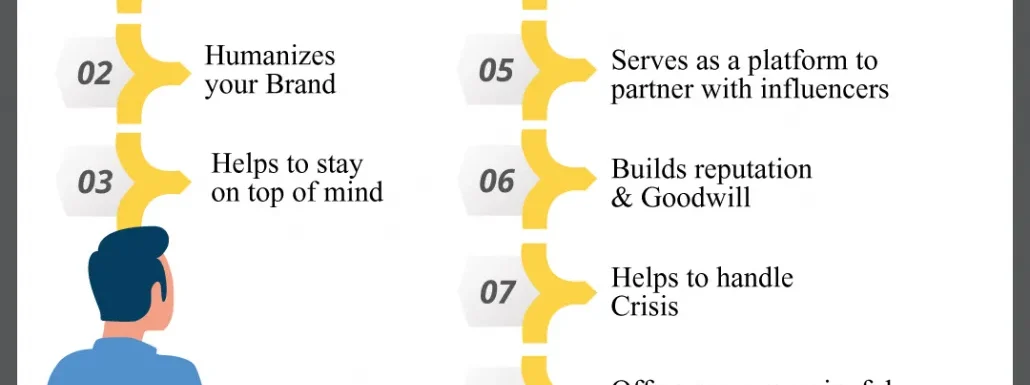
Businesses need social media to engage with their audience and boost brand visibility. It drives traffic and increases sales.
Social media has revolutionized the way businesses interact with their customers. It offers a direct line of communication, allowing companies to build relationships and foster loyalty. Social media platforms are powerful tools for sharing content, promoting products, and showcasing brand personality.
They provide valuable insights into customer preferences and behavior through analytics. Companies can target specific demographics, ensuring marketing efforts are more effective. Engaging content can go viral, significantly increasing brand exposure. Social media is also a cost-effective marketing tool, suitable for businesses of all sizes. Effective social media strategies can lead to increased website traffic, higher conversion rates, and improved customer satisfaction.
Table of Contents
Importance Of Social Media
Social media amplifies brand visibility, connects businesses with target audiences, and drives engagement. It also fosters customer loyalty and enhances market reach.
Brand Awareness
Social media helps to create brand awareness. Many people use social media daily. A strong presence on social media means more people will know your brand. Sharing posts and engaging content can attract new customers. Visual content like images and videos can also help your brand get noticed. Hashtags and trending topics can boost your visibility.
Customer Engagement
Social media allows for direct interaction with customers. Quick responses to comments and messages build trust. Polls and surveys can gather customer feedback. Live sessions can showcase products and answer questions in real time. Customer support through social media is fast and effective. Engaging with customers makes them feel valued. This can lead to loyalty and repeat business.
Cost-effective Marketing
Social media provides a platform for low-cost advertising. Businesses can create free accounts on various platforms. Paid ads are also affordable compared to traditional media. Small investments can reach a large audience. This makes it a cost-effective way to promote products and services.
Social media marketing offers a high return on investment. Even with a small budget, businesses can achieve significant results. Engaging content can lead to increased sales and customer loyalty. Tracking tools help measure campaign effectiveness. This allows for adjustments and better performance over time.
Targeted Advertising
Social media platforms offer precise targeted advertising, helping businesses reach their ideal audience efficiently. Enhanced targeting capabilities drive higher engagement and conversion rates.
Demographic Targeting
Social media helps businesses reach the right people. They can target specific age groups or genders. This means ads show up for people who are most likely to be interested. This increases the chances of making a sale. Businesses can also focus on certain locations. This is useful for local stores or events. Demographic targeting saves money and time.
Behavioral Targeting
Businesses can show ads to people based on their online actions. If someone likes sports, they see more sports ads. This is called behavioral targeting. It helps businesses reach people who are already interested. This makes ads more effective. People are more likely to click and buy. This method boosts sales and engagement.

Credit: www.quora.com
Customer Insights
Analytics tools help businesses understand customer behavior. These tools track user actions on social media. They show which posts get the most engagement. Businesses can see what content works best. Analytics tools also reveal audience demographics. This includes age, gender, and location. Such data is vital for targeted marketing.
Market trends change quickly. Social media helps businesses stay updated. They can see what topics are popular. This helps in creating relevant content. Businesses can also spot new opportunities. Social media trends guide product development. Following trends keeps a brand current. Staying updated helps in maintaining customer interest.
Competitive Advantage
Social media helps businesses to see what competitors do. It lets them learn from others’ mistakes. This can help them stay ahead. Companies can create unique content. This content can attract more customers.
Businesses can also use social media to engage with their audience. Quick responses to customer queries build trust. They can monitor competitors’ strategies and adapt quickly. Social media offers real-time updates. This is crucial for staying relevant in the market.
Social media platforms show the latest trends. Companies can see what is popular. This helps them to adapt their strategies. They can launch new products based on trends. This keeps their audience interested.
Following trends helps businesses to stay relevant. It also helps them to predict future market needs. This can lead to better product development. Trends can also help in creating engaging content. Content that follows trends gets more shares and likes.

Credit: www.shoutmeloud.com