
Agritech is a promising and innovative field in agriculture, but it is also not without its risks. These risks include cybersecurity threats, over-reliance on technology, and environmental concerns.
As technological advancements continue to penetrate the agriculture industry, agritech solutions have become more sophisticated and efficient, promising increased productivity and reduced waste. However, these benefits can be offset by the risks associated with agritech. One of the main concerns is the potential for cybersecurity breaches that could compromise personal data, financial information or even the integrity of an entire food system.
Additionally, there is a risk of over-reliance on technology that could lead to a loss of traditional farming practices, soil degradation, and other impacts that could have long-term sustainability implications. Moreover, agritech has the potential to exacerbate environmental concerns such as water use, the use of gmos, and other issues that require careful consideration and management. As such, it is essential to weigh the potential benefits against these risks to ensure that development in agritech is sustainable and responsible.
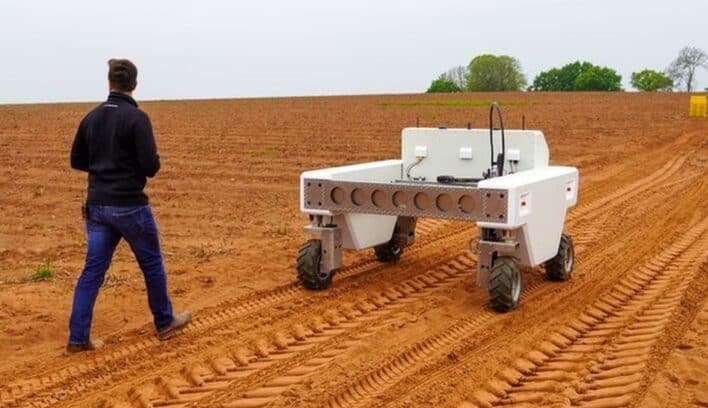
Credit: www.agritechfuture.com
Table of Contents
Introduction: Understanding Agritech Risks
Definition Of Agritech Risks
In the agriculture industry, technology is rapidly changing the way farmers operate. Agritech, the use of technology in agriculture, has led to greater efficiencies, increased crop yields, and improved food quality. However, as with any technological advancement, there are risks.
In simple terms, agritech risks refer to any potential harm that may arise from the use of technology in agriculture. Risks can occur at every stage, from the design and development to the implementation and operation of agritech solutions. Below are some examples of risks associated with agritech.
- Cybersecurity risks: Cyber threats can result in financial loss, farm operation disruption, stolen data, and reputation damage.
- Equipment malfunctions: Errors in the design, development, or usage of equipment can lead to equipment failure or cause damage to crops.
- Poor data quality: Inaccurate data can lead to poor decision-making and yield loss.
- Lack of farmer training: Farmers may not have the necessary skills and training to operate complex agritech equipment, leading to accidents or suboptimal results.
Importance Of Identifying Agritech Risks
Identifying potential agritech risks is crucial in safeguarding farmers, their businesses, and the wider agricultural industry from harm. It allows farmers to take necessary precautions to mitigate risks and prevent their negative impact. Identifying agritech risks can also:
- Encourage innovation: By recognizing potential pitfalls, farmers and agritech developers are encouraged to come up with creative solutions.
- Foster collaboration: Identifying potential risks can enable farmers and agritech developers to work together on solving problems.
- Build trust: Mitigating potential risks helps to build trust in agritech solutions, encouraging greater adoption of such tools.
Overview Of Risks Covered In The Article
This article covers several risks associated with agritech, including:
- Cybersecurity risks: These involve cyber attacks on agritech systems, leading to financial loss, business disruption, data theft, and reputation damage.
- Equipment malfunctions: This includes errors in the design, development, or usage of equipment which can lead to equipment failure or cause damage to crops.
- Poor data quality: Inaccurate or misleading data can lead to poor decision-making and yield loss.
- Lack of farmer training: This refers to the lack of farmer training in new and complex agritech tools leading to accidents or suboptimal results.
By understanding these risks, farmers and agritech developers can take necessary precautions to ensure the safe and successful implementation of new technology in the agriculture sector.
Agritech Risks Farmers And Business Owners Need To Know
Agritech revolutionizes the way we farm by using technology to transform agriculture, increase productivity, and improve food security. However, these agricultural technologies come with risks that farmers and business owners should be aware of. Here are some of the agritech risks farmers and business owners need to know: