The digital world affects us by transforming the way we communicate, work, and access information, shaping nearly every aspect of our lives. The internet, social media, and digital devices have revolutionized how we connect with others, conduct business, and consume content.
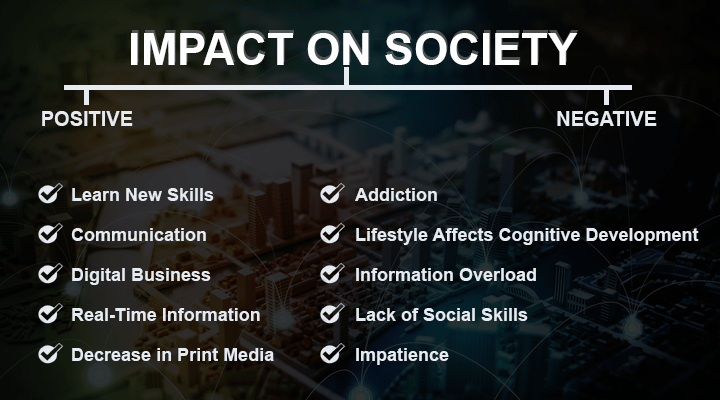
We are now constantly connected, always reachable, and have instant access to vast amounts of information at our fingertips. This has both positive and negative implications, as the digital world offers unprecedented opportunities for productivity, learning, and collaboration, but also raises concerns regarding privacy, mental health, and the impact of technology on human interaction.
As the digital landscape continues to evolve, it becomes essential to understand its influence on our behaviors, choices, and well-being.
Table of Contents
Impact On Social Interactions
Relationships And Communication
The digital world has drastically transformed our social interactions, affecting relationships and communication patterns. With the ease of staying connected through various online platforms, individuals can maintain relationships across long distances, strengthening bonds and fostering a sense of community.
However, overreliance on digital communication can lead to a lack of in-person interaction, impacting the depth and quality of relationships. This has given rise to concerns about the potential erosion of genuine, face-to-face connections.
Online Social Dynamics
Online social dynamics have reshaped the way we interact with others, influencing behavior and social norms. Social media platforms have created new avenues for individuals to express themselves and seek validation, shaping personal identities and perceptions based on the digital presence they portray.
Moreover, the digital world has introduced new forms of socialization, such as online communities and forums, which have the potential to connect like-minded individuals across the globe, transcending geographical barriers and fostering a sense of belonging.
Psychological Effects
The digital world can have profound psychological effects on individuals, influencing emotions, behaviors, and mental health. Constant exposure to screens and social media may lead to feelings of anxiety, isolation, and decreased self-esteem. It is crucial to balance digital interactions with real-world connections to maintain overall well-being.
Digital Addiction
One of the biggest psychological effects of the digital world is digital addiction. With the increasing availability and accessibility of digital devices and platforms, more and more people are becoming addicted to their screens. Digital addiction is the compulsive use of digital devices, such as smartphones, tablets, and computers, to the point where it negatively impacts daily life and mental well-being.
Digital addiction can have detrimental effects on individuals’ relationships, productivity, and overall happiness. Many people find themselves constantly checking their smartphones, scrolling through social media feeds, or playing online games, often at the expense of real-life interactions and responsibilities. This excessive and compulsive behavior can lead to feelings of isolation, anxiety, and even depression.
Mental Health Challenges
The digital world has also brought about a range of mental health challenges. Social media platforms, while connecting people on a global scale, can also contribute to feelings of inadequacy and low self-esteem. The constant exposure to carefully curated and filtered representations of others’ lives can lead to comparisons and a sense of not measuring up.
Additionally, the digital world has made it easier for cyberbullying to occur. The anonymity provided by online platforms can embolden individuals to engage in hurtful behavior, which can deeply impact the mental well-being of the victims. Furthermore, the constant bombardment of news, information, and online content can be overwhelming and contribute to feelings of stress and anxiety.
In today’s digital age, it is crucial for individuals to prioritize their mental health and establish healthy boundaries with technology. Taking breaks from screens, practicing digital detox, and seeking support when needed are all important steps in maintaining psychological well-being.
Education And Learning
The digital world has greatly impacted education and learning, transforming the way we acquire knowledge and skills. With the advent of technology, the traditional methods of learning have evolved, providing more accessible and convenient opportunities for people of all ages to expand their horizons and enhance their education. Online educational tools and e-learning platforms have emerged as powerful assets, revolutionizing the way we learn.
Online Educational Tools
Online educational tools have opened up a world of possibilities for learners, offering a wide range of interactive resources to aid in their educational journey. These tools, often accessible at the click of a button, have become valuable companions for students, teachers, and professionals alike. From research and reference materials to virtual simulations and educational games, these tools provide an engaging and comprehensive learning experience.
One remarkable advantage of online educational tools is their ability to cater to individual learning styles. With customizable features and adaptive technologies, these tools accommodate diverse needs, ensuring that learners can grasp concepts at their own pace and in a way that suits their preferred learning methods. This personalized approach promotes better understanding and retention of information, ultimately resulting in more effective learning outcomes.
Moreover, online educational tools have fostered collaboration and interaction among learners. Through discussion forums, live chats, and collaborative documents, individuals can connect with peers from all over the world, sharing ideas, exchanging knowledge, and working together on projects. This global perspective not only enhances the learning experience but also cultivates important skills such as communication, teamwork, and cultural understanding.
E-learning Platforms
E-learning platforms have gained immense popularity in the digital age, offering a convenient and flexible alternative to traditional classrooms. These platforms provide a plethora of courses and programs across various fields, catering to the diverse interests and needs of learners. Whether someone wishes to pursue a formal degree, acquire a certification, or simply expand their knowledge on a specific subject, e-learning platforms have made education more accessible and affordable than ever before.
One of the key advantages of e-learning platforms is their flexibility. With online courses, learners have the freedom to set their own schedules and learn at their own pace, eliminating geographical limitations and time constraints. This flexibility has opened up opportunities for individuals who may have previously struggled to pursue education due to work or personal commitments.
Furthermore, e-learning platforms often incorporate interactive features such as videos, quizzes, and assignments, ensuring an engaging and immersive learning experience. These platforms utilize various multimedia elements to present information in a visually appealing and captivating manner, making the learning process more enjoyable and effective.
In conclusion, the digital world has revolutionized education and learning through the introduction of online educational tools and e-learning platforms. With these advancements, learners can embark on a personalized, interactive, and flexible educational journey, expanding their knowledge and skills in ways that were once unimaginable. The opportunities provided by the digital age have unlocked the doors to lifelong learning, enabling individuals to grow and thrive in an ever-evolving world.
Credit: www.incrementors.com
Economic Influences
The digital world has significantly impacted our economy, influencing consumer behavior, business operations, and market trends. From e-commerce to digital marketing, the online landscape has reshaped traditional economic processes, leading to a shift in supply and demand dynamics. The rise of digital currencies and virtual investments has also introduced new financial avenues, offering alternative ways for individuals and businesses to engage in economic activities.
Digital Job Market
With the rapid advancement of technology, the digital job market has undergone a significant transformation. New digital skills are in high demand, leading to the creation of diverse job roles in fields such as digital marketing, data analysis, and software development. As a result, individuals with proficiency in these areas are poised to thrive in the digital economy.
E-commerce Trends
The rise of e-commerce has revolutionized the way businesses operate and consumers shop. Online retail has experienced unprecedented growth, with convenience and accessibility becoming the cornerstone of consumer behavior. Mobile commerce is also gaining traction, with an increasing number of transactions being conducted via smartphones and tablets.
Health And Well-being
Living in the digital age impacts our physical and mental health.
Physical Impacts
- Sedentary lifestyles due to screen time increase risk of obesity and cardiovascular diseases.
- Eye strain from prolonged digital device use can cause vision problems.
- Neck and back pain often result from poor ergonomic posture while using digital devices.
Mental Wellness
- Excessive screen time is linked to anxiety and depression in individuals.
- Social media comparison can impact self-esteem negatively.
- Constant connectivity may lead to digital burnout and stress in many.

Credit: www.amazon.com

Credit: www.weforum.org
Frequently Asked Questions On How Does The Digital World Affect Us
How Does Constant Digital Exposure Affect Mental Health?
Excessive screen time can lead to increased stress, anxiety, and decreased cognitive function over time.
What Are The Long-term Implications Of Digital Dependence?
Relying heavily on digital devices may result in decreased attention span and social isolation.
How Can One Strike A Healthy Digital-life Balance?
Limiting screen time, engaging in physical activities, and practicing mindfulness can help maintain balance.
Conclusion
The digital world impacts our lives in profound ways, shaping our behaviors and interactions. It’s clear that technology has both positive and negative effects on our mental, physical, and emotional well-being. By understanding these influences, we can navigate the digital landscape mindfully and harness its benefits while mitigating its drawbacks.
As we move forward, it’s essential to strike a balance between our digital and real-world experiences to lead fulfilling lives.
Leave a Reply