Affiliate marketing is a powerful tool for businesses. It drives traffic and sales.
But fraud can be a big problem. This is where affiliate software with fraud detection comes in. Affiliate software with fraud detection helps keep your marketing clean and honest. It protects you from fake clicks, false leads, and other scams.
Imagine running your campaigns with peace of mind, knowing that your data is accurate. Fraud detection tools save you money and maintain your reputation. They help you focus on real growth and genuine results. In this post, we’ll explore the importance of these tools and how they can benefit your business. Stay tuned to learn how to safeguard your affiliate marketing efforts effectively.

Credit: www.scaleo.io
Table of Contents
Introduction To Affiliate Software
In the ever-evolving world of digital marketing, affiliate software has emerged as a game-changer. But what exactly is affiliate software, and why is it so important? Whether you’re a seasoned marketer or just dipping your toes into the digital realm, understanding affiliate software is crucial. Let’s dive into the basics and explore its significance in the digital marketing landscape.
What Is Affiliate Software?
Affiliate software is a tool that helps businesses manage their affiliate marketing programs. It tracks sales, clicks, and conversions generated by affiliates. Think of it as a bridge between the company and its affiliates. This software ensures everyone gets credit for their efforts and helps streamline the entire process. For example, if you run an online store, affiliate software can help you track which affiliates are driving traffic and sales to your site.
- Tracking: Monitors clicks, sales, and conversions.
- Payments: Automates commission payments to affiliates.
- Reporting: Provides detailed insights and analytics.
Importance In Digital Marketing
Why is affiliate software so vital in today’s digital marketing? Well, imagine trying to manually track hundreds or even thousands of affiliates. It’s not just daunting; it’s practically impossible. Here are a few reasons why affiliate software is indispensable:
- Efficiency: Automates time-consuming tasks, allowing marketers to focus on strategy.
- Accuracy: Reduces human error, ensuring accurate tracking and reporting.
- Scalability: Allows businesses to manage large affiliate networks effortlessly.
In a nutshell, affiliate software simplifies the complexity of affiliate marketing. It ensures that marketers can focus on what they do best—crafting compelling campaigns and driving results.
Have you ever tried to manage an affiliate program without software? It’s like trying to herd cats—utter chaos! With the right affiliate software, you can transform that chaos into a well-oiled machine.
Now that you have a better understanding of what affiliate software is and its importance, let’s dive deeper into how it can benefit your business. Stay tuned for more insights and tips on leveraging affiliate software to maximize your digital marketing efforts.
Common Fraud In Affiliate Marketing
Affiliate marketing is a fantastic way to earn money online, but it also comes with its own set of challenges. One of the biggest challenges is fraud. Fraudulent activities in affiliate marketing can seriously impact your earnings and damage your reputation. In this section, we will explore the common types of fraud in affiliate marketing and their impact on your earnings. Let’s dive in!
Types Of Fraud
Fraud in affiliate marketing can take many forms. Here are some of the most common:
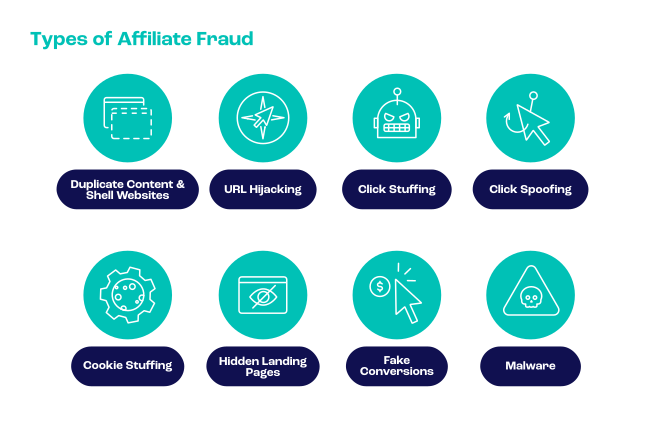
- Click Fraud: This occurs when someone generates fake clicks on your ads. These clicks do not come from real, interested users but are created to inflate numbers.
- Cookie Stuffing: This technique involves placing multiple cookies on a user’s browser without their knowledge. It’s a sneaky way to claim credit for a sale even if the user didn’t go through the affiliate link.
- Ad Fraud: This is when fake ads are created to trick users into clicking them, often leading to non-legitimate affiliate commissions.
- Lead Fraud: This happens when fake leads or sign-ups are generated. These are not genuine customers and do not result in real sales.
Impact On Earnings
Fraudulent activities can have a severe impact on your earnings. Here’s how:
- Reduced Trust: If advertisers suspect fraud, they may end their partnership with you. Once trust is broken, it’s hard to rebuild.
- Financial Loss: Fake clicks and leads mean you’re paying for non-existent traffic. This eats into your profits and can lead to significant financial losses.
- Wasted Resources: You spend time and money driving traffic, only to find that a portion of it is fake. This is not just frustrating but also a waste of valuable resources.
In my early days of affiliate marketing, I fell victim to click fraud. I noticed a sudden spike in clicks but no corresponding increase in sales. It turned out that a competitor was generating fake clicks to drain my ad budget. I quickly learned the importance of using affiliate software with robust fraud detection features. This experience taught me to be vigilant and to always keep an eye on my metrics.
Understanding the types of fraud and their impact on earnings is crucial. It helps you take preventive measures and protect your hard-earned money. By using affiliate software with fraud detection, you can mitigate these risks and ensure your affiliate marketing efforts are more secure and profitable.
Key Features Of Fraud Detection In Affiliate Software
Affiliate marketing is a powerful tool for driving sales and generating revenue. However, it comes with its own set of challenges, particularly when it comes to fraud. Fraudulent activities can drain your resources and damage your reputation. This is where affiliate software with fraud detection steps in to save the day. In this section, we’ll delve into the key features that make fraud detection in affiliate software indispensable.
Real-time Monitoring
Imagine having eyes on every transaction as it happens. That’s exactly what real-time monitoring offers. This feature keeps a constant watch over all affiliate activities, ensuring nothing slips through the cracks. Real-time monitoring helps to:
- Identify suspicious patterns immediately.
- Prevent fraudulent transactions before they cause damage.
- Maintain the integrity of your affiliate program.
Think of it as having a vigilant guard who never takes a break. By catching fraud early, you can save time and money.
Automated Alerts
Nobody has the time to manually check every single transaction. That’s where automated alerts come in handy. With this feature, the software automatically flags any unusual activity and sends you a notification. Here’s what automated alerts can do:
- Provide instant updates on suspicious activities.
- Allow you to take immediate action to mitigate risks.
- Reduce the chances of human error in detecting fraud.
It’s like having a personal assistant who’s always on the lookout for trouble. Automated alerts ensure that you are always in the loop, no matter how busy you get.
In conclusion, the key features of fraud detection in affiliate software, such as real-time monitoring and automated alerts, play a crucial role in safeguarding your affiliate program. They help maintain the program’s integrity, prevent revenue loss, and keep your business running smoothly. Isn’t it comforting to know that you have such robust tools at your disposal?
Benefits Of Using Fraud Detection Tools
Fraud detection tools are essential in affiliate marketing. They help ensure that revenue remains protected and trust between partners stays strong. These tools detect and prevent fraudulent activities, creating a secure environment for all parties involved.
Protecting Revenue
Fraud can significantly impact your earnings. Fraud detection tools identify suspicious activities. This helps in preventing fake clicks and conversions. As a result, your revenue stays intact. You avoid paying for illegitimate actions. This ensures that your marketing budget is used effectively.
Building Trust
Trust is crucial in affiliate marketing. When partners know you use fraud detection tools, they feel secure. It shows you value transparency and honesty. This builds strong relationships. Trust leads to long-term partnerships. It encourages affiliates to promote your products more confidently.
Top Affiliate Software With Fraud Detection
In the ever-evolving world of affiliate marketing, ensuring the integrity of your campaigns is crucial. Affiliate fraud can siphon away your hard-earned profits and damage relationships with trusted partners. That’s where affiliate software with fraud detection comes into play. This software not only streamlines your affiliate management but also protects you from fraudulent activities. In this blog post, we’ll delve into some of the top affiliate software with built-in fraud detection features. Buckle up, and let’s dive in!
Popular Platforms
When it comes to affiliate software with robust fraud detection capabilities, a few platforms stand out from the crowd. Here are some of the most popular ones:
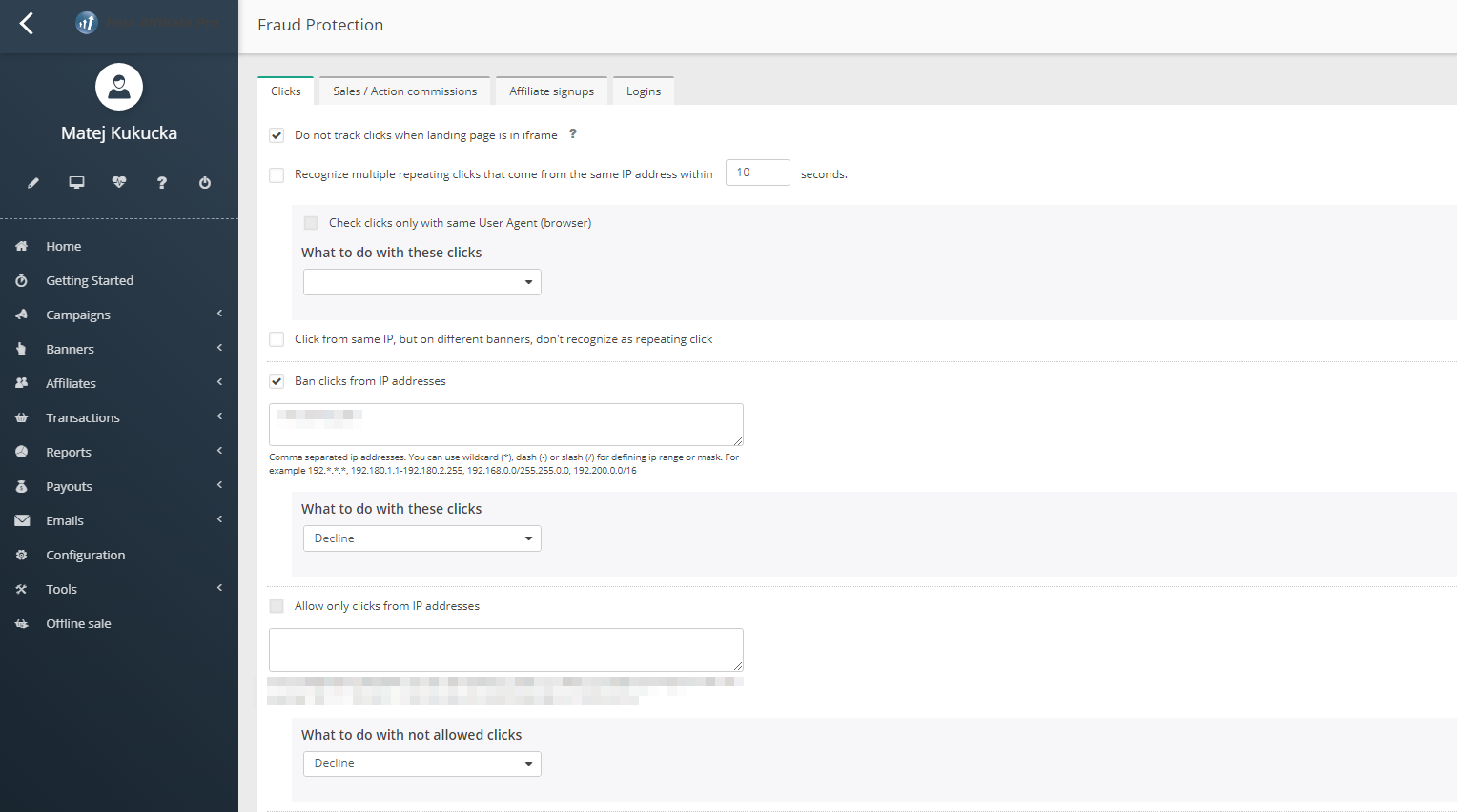
- Post Affiliate Pro: Known for its comprehensive fraud detection tools, this platform offers real-time monitoring and alerts to keep your campaigns safe.
- Tapfiliate: With its user-friendly interface and advanced fraud detection features, Tapfiliate is a favorite among marketers.
- Affise: Affise combines powerful affiliate management tools with sophisticated fraud detection algorithms to ensure your campaigns run smoothly.
Comparison Of Features
Choosing the right affiliate software can be a daunting task, especially with so many options available. To help you make an informed decision, let’s compare the features of these popular platforms:
| Feature | Post Affiliate Pro | Tapfiliate | Affise |
|---|---|---|---|
| Real-Time Monitoring | Yes | Yes | Yes |
| Fraud Alerts | Yes | Yes | Yes |
| User Interface | Moderate | Easy | Moderate |
| Price | $$ | $$ | $$$ |
As you can see, each platform has its strengths. If you prefer a user-friendly interface, Tapfiliate might be your best bet. On the other hand, if you’re looking for extensive fraud detection tools, Post Affiliate Pro and Affise offer robust solutions.
Remember, the key to choosing the right software is understanding your specific needs and evaluating how each platform can meet those needs. Don’t hesitate to take advantage of free trials or demos to get a feel for the software before making a commitment.
In conclusion, protecting your affiliate marketing campaigns from fraud is essential for maintaining profitability and trust. By selecting the right affiliate software with fraud detection, you can ensure your campaigns are safe and successful. Happy marketing!
Credit: seon.io
Integrating Fraud Detection With Existing Systems
Integrating fraud detection with your existing systems can seem daunting. Many businesses worry about compatibility and implementation issues. But, with careful planning, it can be a smooth process. This section will guide you through the common issues and provide practical tips.
Compatibility Issues
Compatibility is a major concern. Different systems may not work well together. Ensure your fraud detection software supports your current tools. Check for API compatibility. Review system requirements carefully. Conduct a small-scale test before full integration. This helps identify potential issues early.
Implementation Tips
Start with a clear plan. Outline each step of the process. Allocate resources and assign tasks. Training your team is crucial. They need to understand how the new system works. Provide clear instructions and support. Use documentation from the software provider. This can help resolve common problems.
Monitor the system closely after integration. Look for any unusual activity. Regular updates are important. Keep your software and systems up to date. Regularly check for patches and new features. This ensures your system remains secure.
Case Studies Of Successful Fraud Prevention
Affiliate marketing can be a lucrative business. However, it comes with its challenges. One major challenge is fraud. To tackle this, many businesses use affiliate software with fraud detection. This section explores case studies that highlight successful fraud prevention.
Real-world Examples
Company A faced significant affiliate fraud. Fake leads and clicks were draining their budget. They implemented affiliate software with fraud detection. The software identified and blocked 80% of fraudulent activities. The company saved thousands of dollars monthly.
Company B experienced similar issues. Fraudulent affiliates were inflating their numbers. After using fraud detection software, they saw immediate results. Suspicious activities decreased by 70%. Their genuine affiliate performance improved.
Lessons Learned
From these case studies, several lessons emerge. First, fraud detection software can drastically reduce fraudulent activities. This helps save money and resources. Next, continuously monitor your affiliate data. Regular checks ensure the system works effectively.
Another key point is to educate your affiliates. Inform them about the importance of genuine practices. A well-informed affiliate network is less likely to engage in fraud. Lastly, invest in reliable software. Choose solutions with proven track records.
Credit: www.postaffiliatepro.com
Future Trends In Affiliate Fraud Detection
As affiliate marketing evolves, so do the methods used by fraudsters. Keeping up with these new techniques is crucial for businesses. Affiliate software with fraud detection is getting smarter, thanks to future trends in technology.
Ai And Machine Learning
Artificial Intelligence (AI) plays a big role in fraud detection. AI systems can analyze vast amounts of data quickly. They spot patterns that humans might miss. This makes it easier to detect fraud before it happens.
Machine learning enhances AI’s capabilities. It allows the system to learn from past fraud cases. The more data it processes, the better it gets. This continuous learning helps in identifying new fraud tactics.
Predictive Analytics
Predictive analytics uses historical data to predict future events. In fraud detection, it analyzes past fraudulent activities. This helps in forecasting potential fraud risks.
Combining predictive analytics with AI provides even stronger protection. It can alert businesses about suspicious activities in real-time. This proactive approach helps in taking quick action to prevent losses.
These future trends in affiliate fraud detection ensure a safer environment for businesses. By leveraging AI, machine learning, and predictive analytics, companies can stay ahead of fraudsters.
Frequently Asked Questions
How Do You Detect Affiliate Fraud?
To detect affiliate fraud, monitor traffic quality, analyze conversion rates, check for unusual patterns, and use fraud detection tools. Validate user data regularly.
What Technology Is Used To Detect Fraud?
Fraud detection uses technologies like machine learning, artificial intelligence, data analytics, and biometric verification. These tools identify suspicious patterns and prevent fraudulent activities.
What Is The Best Ai Model For Fraud Detection?
The best AI model for fraud detection is often considered to be a combination of machine learning algorithms like Random Forest, Gradient Boosting, and Neural Networks. These models analyze patterns, detect anomalies, and predict fraudulent activities accurately.
What Is An Example Of Affiliate Fraud?
An example of affiliate fraud is cookie stuffing. It involves placing multiple affiliate cookies on a user’s browser without their knowledge.
Conclusion
Choosing affiliate software with fraud detection is essential. It protects your business. It ensures trust and transparency. Your revenue remains secure from fraud. Consider software with strong fraud detection. It saves time and money. It also builds credibility with partners.
So, invest wisely and grow safely. Make fraud detection a priority. Keep your business safe and successful.
Leave a Reply