
The meaning of the Digital Age is the era in which information and communication technologies shape society. In this era, technology revolutionizes the way we live, work, and connect with others.
It has ushered in a new world of electronic interactions, where almost everything is digitally accessible and connected. With the proliferation of smartphones, tablets, and the Internet, people can access and share information instantaneously. The Digital Age has transformed the way businesses operate, with companies relying heavily on digital platforms and data analysis to stay competitive.
As technology continues to advance, the Digital Age promises even greater possibilities, transforming not just our personal lives but also industries and economies around the globe.

Credit: www.semanticscholar.org
Table of Contents
Evolution Of Digital Age
Living in the digital age signifies a transformation influenced by technology, altering the way we communicate, work, and interact. It symbolizes a shift towards a more connected and data-driven society, shaping modern lifestyles and industries.
From Analog To Digital
The evolution of the digital age marks the transition from analog to digital technologies. In the past, information was stored and processed in analog form. However, the emergence of digital technologies has revolutionized the way data is captured, stored, and transmitted.
Impact On Society
The digital age has significantly impacted society, altering the way people communicate, work, and access information. With the proliferation of digital devices and platforms, individuals are now more connected than ever before, leading to a shift in social dynamics and behavioral patterns.
Characteristics Of The Digital Age
The Digital Age refers to the modern era characterized by the pervasive use of digital technologies. This age embodies rapid technological advancements, instant access to information, and the digitalization of various aspects of life, including communication, commerce, and entertainment. It has transformed the way individuals interact, work, and conduct business, shaping a highly connected and tech-savvy society.
Technological Advancements
The digital age is characterized by rapid and constant technological advancements that have revolutionized the way we live, work, and communicate. These advancements encompass a wide range of technologies, including computers, smartphones, the Internet, and various other digital tools and devices. One of the key characteristics of the digital age is the exponential growth in computing power. Computers have become smaller, faster, and more powerful, allowing us to process vast amounts of information and perform complex tasks with ease. This has led to the development of innovative technologies such as artificial intelligence, virtual reality, and internet of things (IoT). In addition, the digital age has brought about significant improvements in data storage and processing. With the advent of cloud computing, we no longer need to rely solely on physical storage devices. Data can now be stored and accessed from anywhere in the world, making it more secure and convenient. This has opened up new possibilities for businesses and individuals, enabling them to store, analyze, and utilize data more efficiently.Global Connectivity
Another hallmark of the digital age is the unprecedented level of global connectivity that has been made possible by the Internet. The Internet has connected people from all corners of the world, breaking down geographical barriers and creating a truly global village. Thanks to the Internet, we can now communicate and collaborate with individuals and organizations in real time, regardless of their location. This has facilitated the rise of remote work and virtual teams, enabling businesses to tap into a global talent pool and operate on a 24/7 basis. Moreover, the Internet has transformed the way we access information. With just a few clicks, we can find answers to virtually any question and gain knowledge on any topic. This has democratized access to information, empowering individuals to learn and grow at their own pace. The digital age has also given rise to the sharing economy, where individuals can share resources and services through online platforms. This has disrupted traditional industries such as transportation and accommodation, leading to the emergence of companies like Uber and Airbnb. In conclusion, the characteristics of the digital age, including technological advancements and global connectivity, have revolutionized the way we live and interact. These advancements have opened up new possibilities and opportunities, transforming various aspects of our lives. It is important for individuals and businesses to embrace and adapt to these changes in order to thrive in the digital age.Challenges In The Digital Age
The Digital Age has revolutionized the way we live, work, and communicate. With the rapid advancements in technology, however, comes a set of challenges that we must navigate. From cybersecurity threats to the digital divide, these challenges require vigilance and proactive measures to ensure a safe and inclusive digital environment for all.
Cybersecurity Threats
In the interconnected world of the Digital Age, cybersecurity threats have become a major concern. With more and more of our personal and sensitive information being digitized and stored online, the risk of data breaches, identity theft, and online fraud has significantly increased.
This has led to a rise in cybercriminal activities, including hacking, phishing, and malware attacks. Organizations and individuals alike must take proactive steps to protect themselves from these threats. Implementing robust cybersecurity measures such as firewalls, encryption, and multi-factor authentication can help safeguard against unauthorized access and data breaches.
Digital Divide
Despite the widespread availability of digital technology, the digital divide remains a significant challenge in the Digital Age. The digital divide refers to the gap between those who have access to and can effectively utilize digital resources and those who do not.
This divide can be along various lines, including socioeconomic status, geographic location, and age. The lack of access to reliable internet connectivity, digital devices, and digital literacy skills hinders individuals and communities from fully participating in the digital world.
Addressing the digital divide requires a multi-faceted approach. Governments, nonprofits, and private organizations must work together to ensure widespread access to affordable internet service and digital devices. Additionally, investing in digital literacy programs and providing training opportunities can empower individuals to make the most of digital resources and bridge the gap.
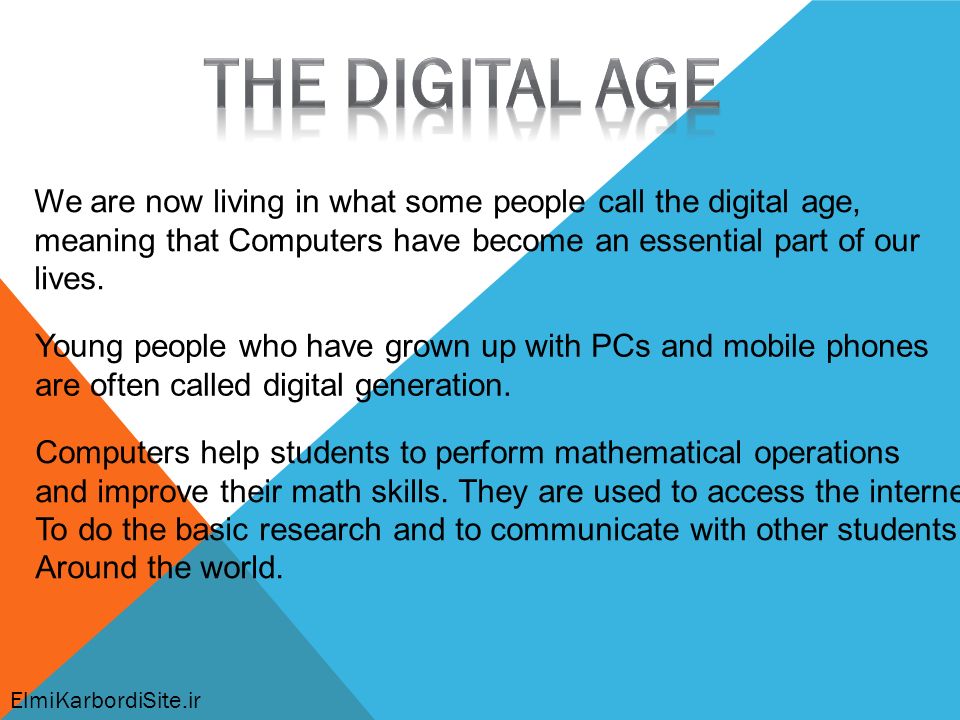
Credit: slideplayer.com
Opportunities In The Digital Age
The digital age has opened up a myriad of opportunities, shaping the way we live, work, and interact. With the rapid advancement of technology, various sectors have witnessed significant transformations, leading to new possibilities and avenues for growth.
Economic Growth
The digital age has fueled unprecedented economic growth, spurring the development of innovative business models and entrepreneurial ventures. Through e-commerce and online marketplaces, businesses can leverage global reach and expand their customer base, thereby boosting trade and commerce. Additionally, digital technologies have streamlined operations and enabled cost-effective methods of production, further contributing to economic prosperity.
Innovation And Creativity
In the digital age, unparalleled opportunities for innovation and creativity have emerged, fostering an environment that encourages out-of-the-box thinking and groundbreaking advancements. The integration of artificial intelligence, big data analytics, and virtual reality has paved the way for novel solutions and disruptive inventions, driving progress across diverse industries. Entrepreneurs and visionaries are empowered to unleash their creativity, leading to the birth of innovative products and services that cater to evolving consumer demands.
Future Trends In The Digital Age
As we embrace the digital revolution, future trends in the digital age continue to shape our world. The advancements in technology are paving the way for innovative solutions that revolutionize the way we live and work.
Artificial Intelligence
Artificial intelligence (AI) is revolutionizing industries by automating processes and enhancing efficiency. From chatbots to predictive analytics, AI is transforming how businesses operate and interact with customers.
Internet Of Things
Internet of Things (IoT) is connecting devices and enabling data exchange like never before. Smart homes, wearables, and industrial IoT are just a few examples of how IoT is shaping our future.

Credit: www.forbes.com
Frequently Asked Questions For What Is The Meaning Of Digital Age
What Does The Term “digital Age” Refer To?
The Digital Age signifies the era characterized by widespread digital technologies and communication.
How Has The Digital Age Transformed Society?
The Digital Age has revolutionized how we connect, work, and access information, shaping modern lifestyles.
Why Is Understanding The Digital Age Crucial?
Understanding the Digital Age is vital for navigating technology, innovation, and societal changes effectively.
Conclusion
The digital age has reshaped our lives, transforming the way we communicate, work, and consume information. As technology continues to evolve, so does our dependency on digital platforms. Embracing the opportunities and challenges of this era is essential for individuals and businesses to thrive in the modern world.
Leave a Reply