
Technology is revolutionizing the marketing landscape by enhancing data analytics and automating customer interactions. Businesses now deliver personalized experiences efficiently.
The rapid advancements in technology have transformed how businesses approach marketing. Data analytics tools allow marketers to understand customer behavior deeply. Automation platforms streamline customer interactions, making them more efficient and personalized. Social media and digital advertising provide new avenues for reaching potential customers.
Artificial intelligence and machine learning offer predictive insights, enabling more effective campaign strategies. These innovations not only improve engagement but also drive higher conversion rates. By leveraging these technologies, businesses can stay competitive in an ever-evolving market. The integration of tech in marketing ensures a more targeted, efficient, and impactful approach.
Table of Contents
Digital Transformation
Digital transformation is changing the marketing landscape rapidly. Businesses adapt to new technologies to stay competitive. This shift impacts how marketers reach and engage with their audience.
Rise Of Social Media
Social media platforms like Facebook, Instagram, and Twitter are crucial for marketing. They offer a direct line to millions of potential customers. Businesses can target specific demographics with tailored messages.
Engagement on social media is key. Marketers use likes, shares, and comments to gauge customer interest. Influencers also play a big role. They help brands reach a larger audience quickly.
Effective social media strategies include:
- Posting regular updates
- Creating engaging content
- Using hashtags
- Hosting giveaways
- Collaborating with influencers
Shift To Online Advertising
Online advertising is now more important than traditional ads. Google Ads, Facebook Ads, and YouTube Ads reach a global audience instantly. These platforms offer detailed analytics to track ad performance.
Benefits of online advertising:
- Cost-effective
- Targeted audience
- Real-time tracking
- Higher engagement
- Scalable campaigns
Marketers use various online ad formats:
- Display ads: Banner ads on websites
- Search ads: Ads on search engine results pages
- Video ads: Ads before or during videos
- Sponsored posts: Paid content on social media
- Email marketing: Targeted emails to subscribers
Technology enables precise targeting in online ads. AI and machine learning help in understanding customer behavior. This data drives more effective ad campaigns.
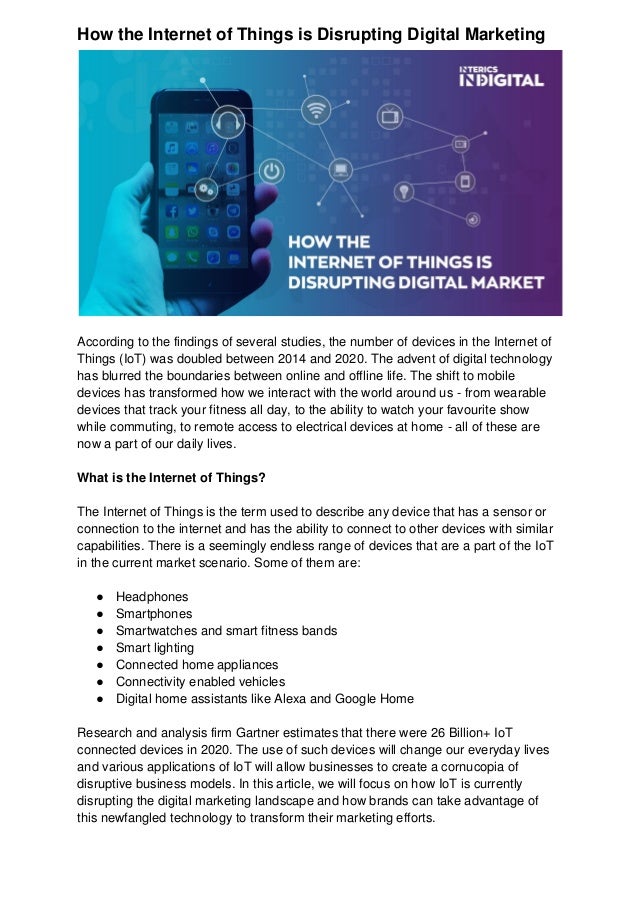
Credit: www.slideshare.net
Data-driven Strategies
Technology has revolutionized marketing, making it more data-driven. Businesses can now leverage vast amounts of data to craft personalized strategies. These strategies not only improve customer engagement but also increase return on investment. Let’s delve into some key aspects of data-driven strategies.
Importance Of Analytics
Analytics play a crucial role in understanding customer behavior. Businesses collect data through various channels like social media, websites, and email campaigns. This data is then analyzed to identify trends and patterns. By understanding these trends, companies can tailor their marketing efforts to meet customer needs.
Here are some ways analytics can be beneficial:
- Customer Segmentation: Grouping customers based on behavior, demographics, and preferences.
- Performance Metrics: Measuring the success of marketing campaigns.
- Real-Time Insights: Making adjustments based on current data.
Predictive Marketing
Predictive marketing uses historical data to forecast future trends. This allows businesses to anticipate customer needs and stay ahead of the competition. Machine learning algorithms analyze past behaviors to make accurate predictions.
Key benefits of predictive marketing include:
- Improved Customer Experience: Personalizing content based on predicted needs.
- Optimized Campaigns: Allocating resources more effectively.
- Reduced Costs: Minimizing waste by targeting the right audience.
Consider this table for a quick comparison of traditional vs. predictive marketing:
| Traditional Marketing | Predictive Marketing |
|---|---|
| Based on assumptions | Based on data analysis |
| Generalized campaigns | Personalized campaigns |
| Reactive approach | Proactive approach |
Adopting data-driven strategies is essential in today’s marketing landscape. Businesses that leverage analytics and predictive marketing will have a competitive edge.
Artificial Intelligence
Artificial Intelligence (AI) is transforming the marketing landscape. It offers powerful tools and capabilities. AI helps businesses to understand their customers better. By automating tasks, AI makes marketing more efficient. Below, we explore how AI impacts marketing through Chatbots and Customer Service and Personalized Campaigns.
Chatbots And Customer Service
AI-powered chatbots are revolutionizing customer service. They provide quick and accurate responses. Customers get help anytime, day or night. This improves customer satisfaction. Chatbots can handle multiple queries at once. This reduces the workload for human agents.
Chatbots also gather valuable data. This data helps businesses understand customer needs. Companies can then tailor their services better. Chatbots can learn and improve over time. They use machine learning to provide better answers. This makes them more effective and reliable.
Personalized Campaigns
AI enables highly personalized campaigns. Businesses can create targeted ads based on customer behavior. AI analyzes data from various sources. This includes social media, website interactions, and purchase history.
With AI, marketers can segment their audience better. They can deliver the right message to the right person. This increases the chances of conversion. Personalized campaigns make customers feel valued. This builds brand loyalty and trust.
AI can also optimize ad spend. It identifies which campaigns perform best. This helps marketers allocate their budget more efficiently. With AI, businesses can achieve better results with less effort.
| AI Feature | Benefit |
|---|---|
| Chatbots | Improved customer service |
| Data Analysis | Better understanding of customer needs |
| Personalized Campaigns | Higher conversion rates |
| Ad Spend Optimization | Efficient budget allocation |
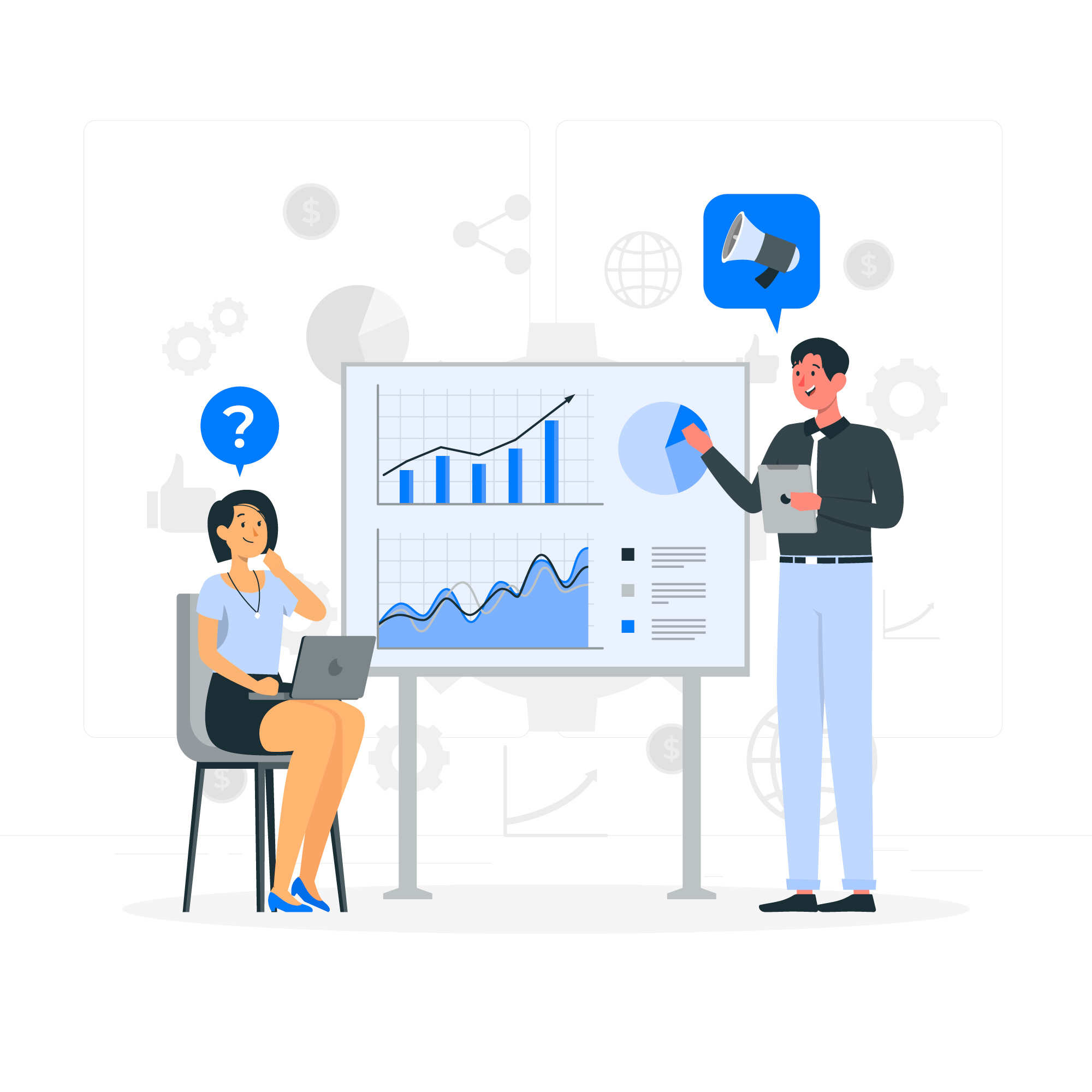
Credit: murf.ai
Influencer Marketing
In recent years, influencer marketing has taken the world by storm. Brands are leveraging the power of social media influencers to reach new audiences. This strategy is proving to be highly effective.
Power Of Micro-influencers
Micro-influencers are individuals with a smaller, but highly engaged following. Their audience ranges between 1,000 to 100,000 followers. These influencers often have a more niche market. They communicate directly with their audience. This makes their recommendations more impactful.
Brands are shifting focus from celebrities to micro-influencers. This is because of the high engagement rates. Micro-influencers drive more meaningful interactions. They create authentic content that resonates with their followers.
Authenticity And Trust
Authenticity is the cornerstone of influencer marketing. Followers trust influencers because they see them as real people. They share personal experiences and honest opinions. This builds a strong bond between the influencer and their audience.
Influencers can make sponsored content feel organic. They integrate brand messages seamlessly into their daily lives. This approach enhances trust and credibility. Consumers are more likely to purchase products recommended by influencers they trust.
Here are some key points on authenticity and trust:
- Personal Stories: Influencers share genuine stories about the product.
- Engagement: They interact with followers through comments and messages.
- Transparency: Clear disclosure of sponsored content.
These factors contribute to the success of influencer marketing. Brands benefit from increased trust and loyalty among consumers.
Future Trends
The marketing landscape is evolving rapidly. Technology is driving these changes. Understanding future trends is crucial. Stay ahead by embracing these advancements.
Virtual And Augmented Reality
Virtual Reality (VR) and Augmented Reality (AR) are transforming marketing. Brands use VR for immersive experiences. AR enhances real-world interactions. Both technologies engage customers uniquely.
Here are some applications:
- Product Demos: Virtual try-ons for clothes and accessories.
- Interactive Ads: AR ads in social media platforms.
- Virtual Tours: Real estate virtual property tours.
Voice Search Optimization
Voice search is becoming popular. Devices like Alexa and Google Home are common. Optimizing for voice search is essential.
Key steps for voice search optimization:
- Use Natural Language: Write content as people speak.
- Answer Questions: Include FAQ sections.
- Local SEO: Optimize for local searches.
Consider the following table for insights:
| Technology | Impact on Marketing |
|---|---|
| VR and AR | Engages customers through immersive experiences. |
| Voice Search | Increases the need for natural language content. |

Credit: www.linkedin.com
Frequently Asked Questions
How Technology Has Changed The Marketing Landscape?
Technology has revolutionized marketing by enabling data-driven strategies, personalized campaigns, and real-time customer engagement. Digital platforms boost reach and efficiency. Social media, AI, and automation streamline processes, making marketing more effective and measurable.
How Has Technology Disrupted Marketing?
Technology has revolutionized marketing by enabling precise targeting, real-time analytics, and personalized customer experiences. Digital platforms enhance reach and engagement. Social media, AI, and automation streamline campaigns and improve ROI. Online tools track consumer behavior and preferences, making data-driven decisions possible.
How Is Technology Impacting Marketing?
Technology is transforming marketing through data analytics, targeted advertising, automation, and social media engagement. It enhances personalization, efficiency, and customer interaction.
How Is The Landscape Of Digital Marketing Changing?
The landscape of digital marketing is evolving rapidly. AI and automation are driving personalized experiences. Social media platforms are becoming key advertising channels. Video content is gaining more traction. Voice search optimization is crucial. Marketers must adapt to these trends for success.
Conclusion
Technology is reshaping the marketing landscape rapidly. Brands must adapt to stay competitive. Embrace digital tools and data-driven strategies. Personalized marketing and AI are key. Stay agile and innovative. The future of marketing is digital. Keep evolving to meet consumer demands.
Leave a Reply