Yes, social media is worth it for business. It boosts brand visibility, engagement, and customer loyalty.
Businesses thrive on social media by reaching vast audiences. Platforms like Facebook, Instagram, and LinkedIn offer unparalleled marketing opportunities. Companies can directly interact with customers, addressing queries and building relationships. Social media advertising is cost-effective, allowing targeted ads to reach specific demographics.
Regular updates and engaging content keep audiences interested and informed. Influencer partnerships can also amplify brand messages. Analytics tools on these platforms help track performance, guiding future strategies. Competitors are already leveraging social media, making it essential to stay relevant. Ignoring social media means missing out on potential growth and customer interaction. In today’s digital age, social media presence is crucial for business success.
Table of Contents
Introduction To Social Media For Business
Social media plays a key role in modern marketing. It helps businesses reach more customers. Social media platforms connect brands with their audience. Engagement on these platforms boosts brand visibility. Small businesses benefit from social media’s cost-effective advertising. Customer feedback is easily gathered through social media. Many businesses use social media to build brand loyalty.
Importance In Modern Marketing
Social media is crucial for today’s marketing strategies. It offers a platform for creative advertising. Businesses can target specific demographics. Real-time updates keep customers informed. Social media allows for instant communication with customers. Tracking marketing efforts is easier on these platforms. It also helps in understanding customer preferences.
Historical Perspective
Social media has evolved over the years. Early platforms were simple and limited. Today, they offer advanced features for businesses. Historical data shows a rise in social media marketing. Many early adopters saw significant growth. Over time, social media became a powerful marketing tool. Its importance continues to grow in the business world.

Credit: prowebmarketing.com
Benefits Of Social Media
Social media boosts brand visibility. Many people see your posts daily. Increased brand awareness leads to more followers. More followers mean more potential customers. Social media platforms have billions of users. Your brand can reach a global audience. This increases your chances of being discovered.
Social media allows direct interaction with customers. Engaging posts can start conversations. Quick responses to comments build trust. Customers appreciate fast replies. Engaged customers are more loyal. Customer feedback helps improve products. Engaging content keeps followers interested. Loyal followers often recommend your brand.
Challenges And Drawbacks
Social media needs a lot of time. Businesses must post daily. They also need to reply to comments. Creating content takes hours. This can be hard for small teams. They may not have enough people. Big businesses also face this issue. They need a team to handle social media. This can be costly. Time spent on social media can be used elsewhere. It is important to manage this time well.
Negative feedback is common on social media. Customers share bad experiences. This can hurt a business’s image. Businesses must reply quickly. Ignoring bad comments can make things worse. Responding well can turn a bad situation around. It shows that the business cares. This needs careful handling. Training staff for this is important. They need to know how to respond nicely.
Choosing The Right Platforms
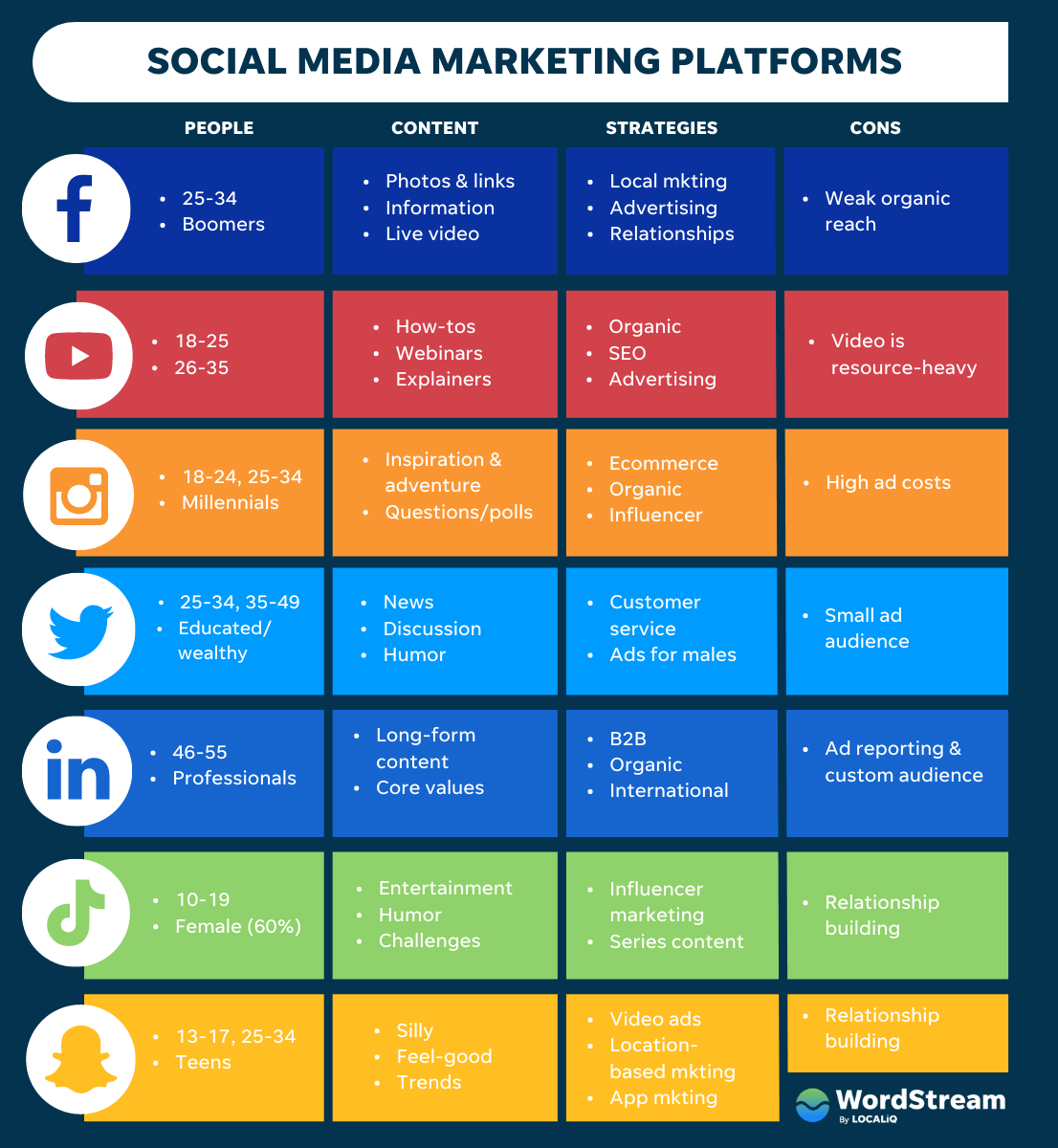
Different platforms attract different users. Facebook has a broad age range but is popular with older adults. Instagram is favored by younger people, especially teens and young adults. LinkedIn is best for professionals and B2B connections. Twitter users often seek news and real-time updates. TikTok is growing fast among teens and young adults. Knowing who uses each platform helps tailor your strategy.
Aligning platforms with business goals is key. Facebook can build brand awareness and customer loyalty. Instagram excels in visual marketing and engagement. LinkedIn helps with networking and B2B sales. Twitter is useful for customer service and quick updates. TikTok can boost brand visibility with viral content. Choose platforms that best support your objectives.
Content Strategies
Social media significantly boosts business visibility and engagement. Businesses can reach wider audiences and foster strong customer relationships. Consistent, strategic content drives traffic and enhances brand loyalty.
Types Of Content
Businesses can share blog posts, videos, and infographics. Posts should be engaging and informative. Use high-quality images to attract attention. Share customer testimonials and case studies. This builds trust with the audience. Behind-the-scenes content is also popular. It shows the human side of the business. Interactive content like polls and quizzes can boost engagement.
Posting Frequency
Posting regularly keeps the audience engaged. Aim to post at least three times a week. Some businesses post daily for better results. Quality is more important than quantity. Plan your posts in advance. Use a content calendar to stay organized. Analyze engagement to find the best times to post.
Measuring Success
Track follower count to see growth. Count likes and shares on posts. Measure engagement rate by dividing likes and comments by followers. Check click-through rates on links to your site. Count the number of comments on posts.
Watch video views if you post videos. Monitor mentions of your brand on social media. Keep an eye on conversion rates from social media traffic. Use these metrics to see what works.
Use tools like Google Analytics to track traffic. Hootsuite and Buffer help manage posts. Sprout Social offers detailed reports. Facebook Insights shows data for your page. Twitter Analytics tracks tweet performance.
Instagram Insights gives data for business profiles. LinkedIn Analytics provides metrics for company pages. Socialbakers helps compare with competitors. SEMrush offers detailed analysis. BuzzSumo tracks content performance.
Case Studies
Many businesses have grown with social media. Small shops can reach global customers. Brand awareness increases through regular posts. Customer engagement boosts with quick responses. Sales improve with targeted ads. Success stories include tech startups and local cafes. They use Instagram and Facebook for promotions. Big brands see a rise in followers. They enjoy higher profits and greater loyalty.
Planning is key for social media. Consistent content keeps followers interested. Quality visuals attract more views. Engaging posts lead to shares and likes. Knowing the audience helps in creating relevant content. Regular updates keep the brand in mind. Monitoring analytics shows what works best. Adjusting strategies can improve results. Customer feedback helps in refining products. Social listening can guide future campaigns.

Credit: www.searchenginejournal.com
Future Trends
New social media platforms are always popping up. Businesses need to stay updated. TikTok is a recent example. It has quickly gained popularity. Clubhouse is another new platform. It’s based on audio conversations. Emerging platforms offer fresh opportunities. They can help you reach new audiences.
Influencer marketing is becoming more popular. It uses people with large followings. User-generated content is also effective. It involves customers creating content. Live streaming is a growing trend. It allows real-time interaction. Augmented reality is being used more. It creates immersive experiences. Personalized ads can target specific users. These techniques can boost engagement.
Credit: www.wordstream.com
Frequently Asked Questions
Do You Really Need Social Media For Business?
Yes, social media is essential for business growth. It boosts brand visibility, engages customers, and drives traffic to your website.
Do Businesses Benefit From Social Media?
Yes, businesses benefit from social media. It boosts brand visibility, engages customers, and drives website traffic. Social media also helps in customer support, market research, and lead generation, enhancing overall business growth.
What Are The Disadvantages Of Social Media For Business?
Social media can harm business reputation through negative feedback. It demands constant updates, time, and resources. Privacy concerns and data breaches pose risks.
Is Social Media A Good Tool For Business?
Yes, social media is a powerful tool for business. It enhances brand visibility, engages customers, and drives sales.
Conclusion
Evaluating social media’s value for business reveals its undeniable impact. Effective strategies boost engagement and brand visibility. Companies benefit from increased customer interaction and market insights. While challenges exist, the potential rewards make it worth considering. Stay adaptable and monitor trends to maximize your social media success.
Leave a Reply