
Affiliate marketing is a powerful tool for boosting sales. It involves promoting products and earning commissions.
A multi-store affiliate tracking platform streamlines this process. Managing multiple stores can be challenging. Tracking sales, commissions, and performance across various platforms takes time and effort. That’s where a multi-store affiliate tracking platform comes in. This solution allows you to oversee all your affiliate activities in one place.
Imagine having a single dashboard to monitor everything. You save time and reduce errors. Whether you have two stores or twenty, this platform simplifies your tasks. It helps you focus on growing your business rather than getting lost in details. Curious to know more? Let’s dive into the benefits and features of a multi-store affiliate tracking platform.
Table of Contents
Introduction To Affiliate Tracking
Affiliate tracking is a cornerstone for online businesses. It helps them track and manage partnerships. Multi-store affiliate tracking platforms are vital tools in this realm. They offer a streamlined way to handle multiple stores under one roof.
What Is Affiliate Tracking?
Affiliate tracking is the process of monitoring affiliate activities. It captures data on sales, leads, and clicks. This data helps businesses understand the performance of their affiliates. It also ensures that affiliates get credit for their work.
Tracking platforms use various methods to track affiliates. These include cookies, unique tracking links, and pixel tracking. Each method ensures accurate data collection. This accuracy is crucial for fair payouts and performance analysis.
Importance Of Affiliate Tracking
Accurate affiliate tracking ensures transparency. It builds trust between businesses and affiliates. Trust is crucial for long-term partnerships.
Tracking also helps in measuring campaign effectiveness. Businesses can identify top-performing affiliates. They can also spot underperforming ones and take corrective actions.
Effective tracking helps in optimizing marketing strategies. It provides insights into customer behavior. These insights can guide future campaigns, making them more targeted and efficient.
In summary, affiliate tracking is essential. It ensures accurate data, builds trust, and optimizes marketing efforts.
Benefits Of Multi-store Affiliate Platforms
Multi-store affiliate tracking platforms offer numerous benefits for businesses. These platforms help manage multiple stores from a single interface, making it easier to track performance and improve sales. Let’s explore some key benefits.
Increased Sales Opportunities
Multi-store affiliate platforms boost sales by reaching diverse audiences. Affiliates can promote products across various stores, attracting more customers. This wider reach leads to higher conversion rates and increased revenue.
Centralized Management
Managing multiple stores can be time-consuming. A multi-store affiliate platform simplifies this process. It provides a single dashboard to oversee all stores. This centralized management saves time and reduces errors.
With all data in one place, tracking performance becomes easier. Businesses can quickly identify which stores are performing well. This insight allows for better decision-making and strategy adjustment.
Key Features To Look For
Choosing the right multi-store affiliate tracking platform can be quite a task. After all, it’s essential to find a platform that not only meets your current needs but also grows with your business. Here are some key features to look for when selecting the perfect affiliate tracking platform.
Real-time Tracking
One of the most crucial features of an affiliate tracking platform is real-time tracking. This feature allows you to monitor the performance of your affiliates as it happens. Imagine being able to see the clicks, conversions, and sales as they occur! Real-time tracking helps you make quick decisions and adapt your strategies promptly. No more waiting hours or even days for updates. It’s like having your finger on the pulse of your business.
Comprehensive Reporting
Another essential feature is comprehensive reporting. A good affiliate tracking platform should offer detailed reports that provide insights into various metrics. This includes:
- Clicks and impressions
- Conversions and sales
- Revenue generated
- Affiliate performance
With these reports, you can easily identify which affiliates are driving the most traffic and sales. Plus, it helps you understand the overall effectiveness of your affiliate program. Don’t you love it when things are transparent and straightforward?
Easy Integration
An often overlooked feature is easy integration. Your affiliate tracking platform should seamlessly integrate with your existing e-commerce platform and tools. Whether you use Shopify, WooCommerce, or any other platform, the integration process should be smooth and hassle-free. This ensures that your tracking system is up and running without any technical hiccups.
Customizable Commission Structures
Every business is unique, and so are its commission structures. Look for a platform that allows you to customize your commission structures based on different criteria. This flexibility helps you incentivize your affiliates better and align their goals with yours. It’s like having a tailor-made suit that fits perfectly!
Reliable Support
Last but not least, consider the importance of reliable support. When you encounter issues or have questions, it’s crucial to have a support team that responds quickly and effectively. Good customer support can make all the difference in ensuring your affiliate program runs smoothly. After all, no one likes being left in the dark, right?
In conclusion, when selecting a multi-store affiliate tracking platform, make sure it offers real-time tracking, comprehensive reporting, easy integration, customizable commission structures, and reliable support. These features will help you manage your affiliate program efficiently and drive your business forward.
How To Set Up Your Platform
Setting up a Multi-Store Affiliate Tracking Platform can seem like a daunting task, but with the right guidance, it can be a breeze. This section will walk you through the essential steps to get your platform up and running. By the end of this guide, you’ll have a clear understanding of how to choose the right software and integrate it with your existing systems. Let’s dive in!
Choosing The Right Software
The foundation of a solid Multi-Store Affiliate Tracking Platform is the software you choose. Not all software is created equal, and selecting the right one can make or break your success.
- Ease of Use: Look for software that is user-friendly. If it’s too complicated, it might cause more headaches than it’s worth.
- Features: Ensure the software offers essential features like real-time tracking, comprehensive reporting, and customizable options.
- Scalability: Your business will grow, and your software should grow with it. Choose a platform that can handle increased traffic and additional stores.
- Support: Reliable customer support is a must. Imagine running into an issue and having no one to help you. Not fun!
One personal anecdote: When I first started, I chose a platform that seemed perfect but lacked good customer support. Big mistake! I was stuck for days with no solution. So, trust me, support is crucial.
Integration With Existing Systems
Once you’ve chosen the right software, the next step is integrating it with your existing systems. This can be a bit technical, but with a bit of patience, you’ll get through it.
- Check Compatibility: Ensure your current systems can work with the new software. This could involve checking APIs or looking into plugins.
- Data Migration: Moving data from your old system to the new one is essential. Make sure this process is smooth to avoid losing valuable information.
- Testing: Before going live, conduct thorough testing. This will help you catch any issues early on. It’s better to be safe than sorry.
- Training: Don’t forget to train your team. They need to understand how the new platform works to utilize it fully.
Remember, integration is a step-by-step process. Don’t rush it. Take your time to ensure everything works perfectly. After all, Rome wasn’t built in a day!
In summary, setting up your Multi-Store Affiliate Tracking Platform involves choosing the right software and integrating it with your existing systems. Follow these guidelines, and you’ll be on your way to a successful setup. Happy tracking!
Optimizing Affiliate Strategies
Optimizing affiliate strategies is crucial for maximizing the potential of your multi-store affiliate tracking platform. By implementing the right approaches, you can boost your affiliate performance and increase your revenue. Below are key strategies to help you optimize your affiliate program.
Targeting The Right Affiliates
Identify affiliates who align with your brand values and products. Research their audience to ensure they match your target market. Look for affiliates who have a strong online presence and engaged followers. Use social media analytics tools to gather insights about their reach and influence.
Evaluate their previous performance in similar campaigns. Check their conversion rates and the quality of traffic they bring. Select affiliates who have a proven track record of driving sales. Building strong relationships with such affiliates will be beneficial in the long run.
Creating Attractive Offers
Design offers that are appealing and relevant to your audience. Create exclusive discounts and special promotions for affiliate traffic. This will incentivize affiliates to promote your products actively. Ensure your offers are time-sensitive to create urgency.
Provide affiliates with engaging marketing materials. Offer banners, social media posts, and email templates. Make it easy for them to promote your products. Regularly update these materials to keep the promotions fresh and exciting.
Track the performance of different offers. Use your affiliate tracking platform to analyze which offers drive the most conversions. Adjust your strategy based on these insights to continually improve your results.
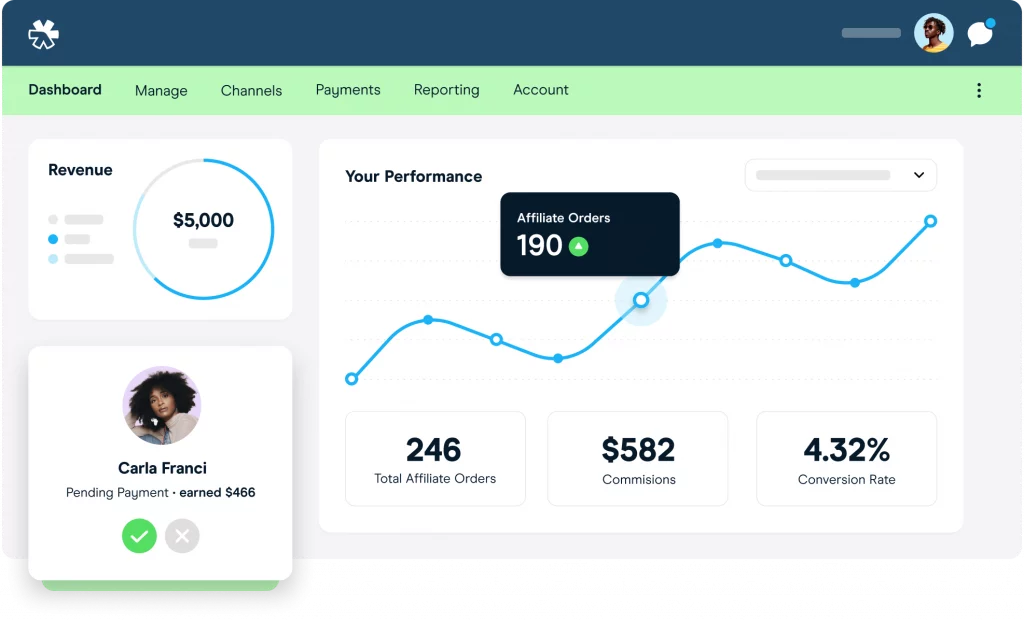
Credit: www.refersion.com
Monitoring And Analyzing Performance
When running a multi-store affiliate tracking platform, keeping an eye on performance is crucial. But how do you ensure you’re getting the most out of your efforts? This section will delve into the nitty-gritty of tracking key metrics and adjusting strategies based on the data collected. Let’s break it down step by step.
Tracking Key Metrics
First things first, what should you be tracking? When it comes to affiliate marketing, several key metrics can provide valuable insights:
- Clicks: The number of times users click on your affiliate links. This tells you how engaging your content is.
- Conversions: The actions taken after clicking, like purchases or sign-ups. This helps gauge the effectiveness of your links.
- Revenue: The money generated from these conversions. This is the ultimate goal, right?
- Conversion Rate: The percentage of clicks that turn into conversions. This metric is a powerful indicator of your overall performance.
Imagine you’re a detective gathering clues. Each metric is a piece of the puzzle, helping you see the bigger picture of your affiliate strategy’s success.
Adjusting Strategies Based On Data
Now that you have your data, what’s next? Adjusting your strategies based on what you’ve learned is vital. Here’s how:
- Identify Patterns: Look for trends in your data. Are there certain products that convert better than others? Focus on promoting these more.
- Test and Tweak: A/B testing is your friend. Try different approaches and see what works best. Maybe a different call-to-action or a new landing page design?
- Optimize for SEO: Use keywords that are driving traffic. Don’t forget to update your content regularly to keep it relevant.
- Monitor Competitors: Keep an eye on what your competitors are doing. If they’re succeeding, there’s something to learn.
Think of it like gardening. You plant the seeds (your affiliate links), water them (monitor metrics), and prune them (adjust strategies). With patience and care, you’ll see your efforts bloom into a thriving affiliate marketing garden.
By consistently monitoring and analyzing your performance, you can make informed decisions that drive success. Remember, it’s not just about working hard, but working smart. So, keep your eyes on the metrics and your strategies flexible. Happy tracking!
Common Challenges And Solutions
Running a multi-store affiliate tracking platform can be exciting, but it comes with its own set of challenges. Whether you’re a newbie or a seasoned pro, these hurdles can be daunting. But don’t worry, we’ve got you covered! Let’s dive into some common challenges and solutions to help you navigate through them smoothly.
Dealing With Fraud
Affiliate marketing can sometimes attract fraudsters looking to game the system. This can be a nightmare for any business, leading to lost revenue and trust issues. But how do you tackle this without losing your mind?
Here are a few strategies:
- Use advanced fraud detection software: Tools like Fraudlogix or Forensiq can help detect and prevent fraudulent activities.
- Implement manual reviews: Regularly reviewing affiliate activities can help catch suspicious behavior early.
- Set up clear policies: Having a well-defined fraud policy can deter potential fraudsters from attempting to deceive your system.
Imagine this: you’re sipping your morning coffee, and instead of dealing with a fraud disaster, you’re watching your affiliate program flourish. Sounds dreamy, right?
Ensuring Accurate Tracking
Another headache in the world of multi-store affiliate tracking is ensuring accurate tracking. Mismatched data can lead to unhappy affiliates and loss of credibility. So, how can you ensure every click and conversion is tracked correctly?
Consider these solutions:
- Invest in reliable tracking software: Platforms like Post Affiliate Pro or Tapfiliate are known for their accuracy and reliability.
- Regularly audit your tracking system: Conduct periodic audits to ensure everything is functioning as it should.
- Keep your software updated: Outdated software can be prone to bugs and errors. Regular updates are crucial for smooth operation.
Think of it like maintaining a car. Regular check-ups ensure it runs smoothly and doesn’t break down when you need it the most.
By addressing these challenges head-on, you can create a seamless and efficient multi-store affiliate tracking platform. Happy tracking!
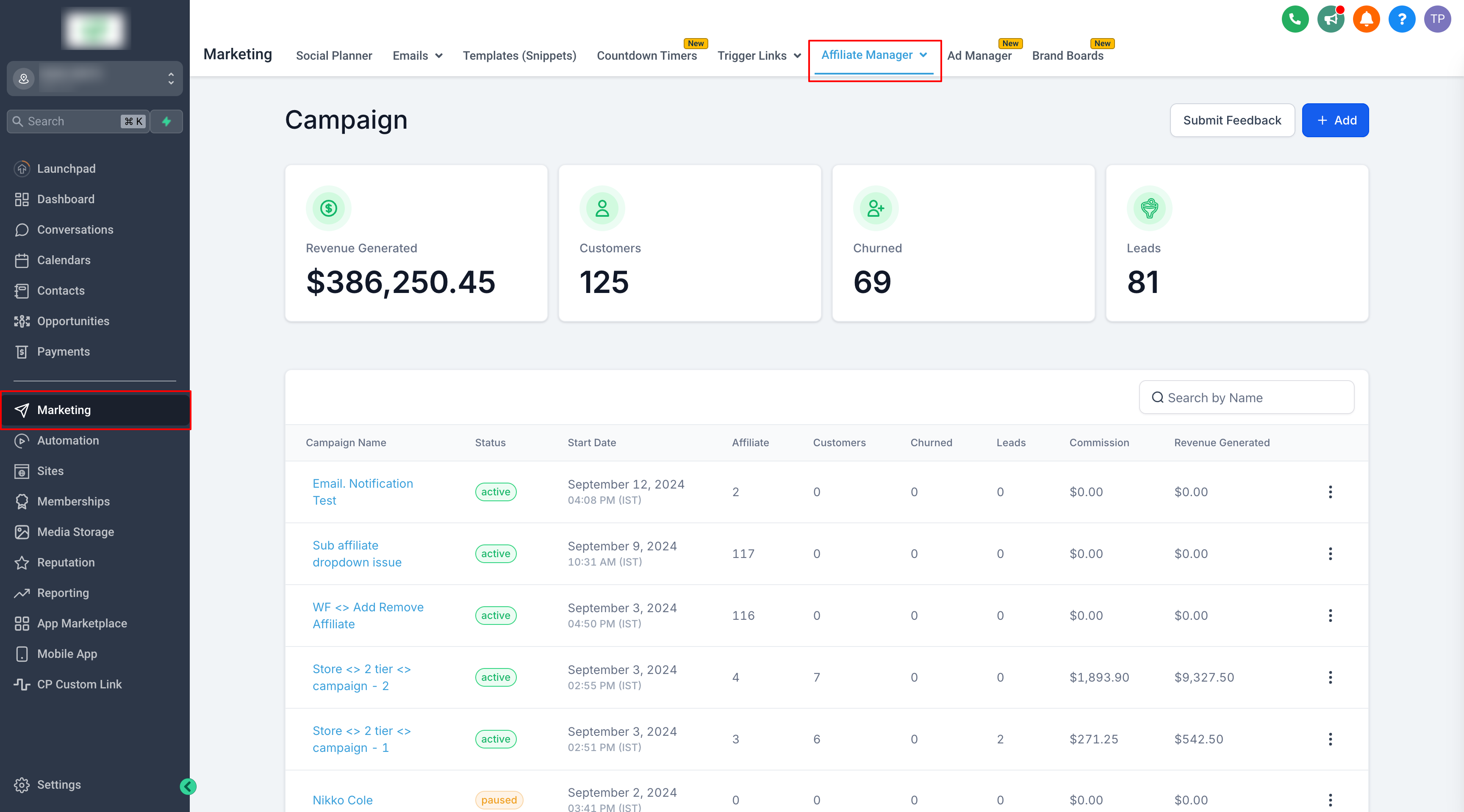
Credit: help.gohighlevel.com
Future Trends In Affiliate Marketing
Affiliate marketing is constantly evolving, and staying ahead of the curve is crucial for success. As technology advances, new trends emerge that can significantly impact how affiliates operate. Let’s dive into some of these exciting future trends in affiliate marketing, focusing on two major advancements: AI and Machine Learning, and Blockchain for Transparency.
Ai And Machine Learning
Artificial Intelligence (AI) and Machine Learning (ML) are game-changers for affiliate marketing. These technologies can help you analyze vast amounts of data quickly and make smarter decisions. Imagine being able to predict which products will sell best or which customers are most likely to convert. AI and ML make this possible.
- Personalized Recommendations: AI can analyze user behavior to suggest products that are more likely to interest them.
- Fraud Detection: ML algorithms can identify suspicious patterns and prevent fraudulent activities.
- Performance Optimization: AI can continuously monitor and adjust your campaigns for better performance.
For instance, an AI tool might notice that a particular demographic responds well to a certain type of product. It can then automatically adjust your marketing efforts to target this group more effectively. Isn’t that amazing?
Blockchain For Transparency
Blockchain technology is another trend that is set to revolutionize affiliate marketing. This technology ensures that all transactions are transparent and secure. How does this benefit affiliate marketers? Let’s break it down.
| Benefit | Description |
|---|---|
| Transparency | All transactions are recorded on a public ledger, making it easy to verify them. |
| Security | Blockchain is highly secure, reducing the risk of data breaches and fraud. |
| Trust | Both affiliates and merchants can trust the data, knowing it is tamper-proof. |
Have you ever wondered if you were getting your fair share of commissions? With blockchain, you can easily verify every transaction, making disputes a thing of the past. This level of transparency builds trust between all parties involved.
In conclusion, the future of affiliate marketing looks bright with the integration of AI, Machine Learning, and Blockchain technology. These advancements not only enhance efficiency and security but also open up new possibilities for personalized marketing and transparent transactions. So, are you ready to embrace these future trends and take your affiliate marketing game to the next level?

Credit: apps.shopify.com
Frequently Asked Questions
What Is The Best Affiliate Tracking Software?
The best affiliate tracking software includes Post Affiliate Pro, Voluum, and Tapfiliate. They offer accurate tracking, analytics, and user-friendly interfaces.
Can You Make $10,000 A Month With Affiliate Marketing?
Yes, earning $10,000 a month with affiliate marketing is possible. Success depends on niche, strategy, and effort.
How To Keep Track Of Affiliate Programs?
Use affiliate tracking software to monitor your programs. Regularly update spreadsheets for manual tracking. Set alerts for performance changes.
Which Platform Is Best For Affiliates?
The best platform for affiliates is Amazon Associates. It offers a vast product range, reliable tracking, and high conversion rates.
Conclusion
A multi-store affiliate tracking platform can streamline your affiliate program. It simplifies tracking and increases efficiency. Manage multiple stores with ease and precision. This tool helps in boosting your business growth. You can focus on other important tasks. Consider implementing this platform for better results.
It’s a smart choice for managing affiliates.
Leave a Reply