
To optimize application performance, begin with code profiling and database optimization. Follow up with system resource management and caching strategies.
Ensuring quick and responsive applications is crucial in today’s competitive digital environment. Users expect seamless experiences, and performance optimization is key to achieving this. Application performance has direct consequences on user satisfaction, engagement, and retention rates. By fine-tuning the backend and frontend of your applications, you can notably reduce load times, improve efficiency, and deliver a polished user experience.
Developers and IT professionals must prioritize performance at every stage of the application lifecycle, from design through deployment to maintenance. Strategies such as efficient coding, optimizing queries, leveraging appropriate data structures, and utilizing the latest technologies are fundamental. Additionally, consistent monitoring and updating of the application’s ecosystem can prevent performance bottlenecks, ensuring that the application remains fast, reliable, and scalable. This proactive approach to application performance optimization not only enhances user satisfaction but also contributes significantly to the success of the application in the market.

Credit: www.couchbase.com
Table of Contents
Breaking Down Application Performance
Applications must work well for success. Good performance keeps users happy. But what makes an app perform well? Let’s find out by breaking down application performance into clear parts.
Defining Application Performance Metrics
Performance metrics guide in making apps better. They’re numbers that show how an app behaves. Important ones include:
- Load Time: How long your app takes to start using.
- Response Time: Time between user action and app reaction.
- Peak Performance: App’s speed during heavy use.
- Errors: How often things go wrong in the app.
- User Concurrency: Number of users at the same time.
- Resource Utilization: How much power and memory your app uses.
To optimize, track these numbers and make changes based on what they tell you.
The Role Of User Experience
User experience, or UX, matters a lot. If users find an app easy and pleasant, they stay longer. Great UX comes from understanding users and making sure the app:
- Is easy to use.
- Looks good.
- Functions without problems.
Use feedback and UX testing to make sure your app makes users happy. Happy users mean better app success. A well-optimized app gives the best user experience.

Credit: www.couchbase.com
Essential Tools For Performance Monitoring
Welcome to the core of optimal application performance – effective monitoring tools. Smart monitoring equals fewer performance issues. Let’s explore key instruments ensuring your app runs smoothly.
Real-time Analytics Software
Real-time analytics software provides instant insights. It tracks user interactions as they happen. Your decisions become quick and informed. Errors reduce significantly.
- New Relic: Offers a live view of system health.
- Google Analytics: Tracks user engagement in real-time.
- Datadog: Observes servers, databases, and tools instantly.
This software spots trends and spikes. It warns before crashes occur. The data is rich and actionable.
Automated Performance Testing Platforms
Automated performance testing platforms save time and cut errors. Tests repeat accurately. They find bottlenecks early. No wait for manual testing.
| Platform | Feature | Benefits |
|---|---|---|
| JMeter | Simulates heavy loads | Lets you test resilience |
| LoadRunner | Rich analysis tools | Optimizes performance |
| BlazeMeter | Cloud-based testing | Runs tests anywhere |
Choose platforms that integrate with your systems. Your application stays fast and efficient. Users smile more!
Strategies For Performance Optimization
Ensuring lightning-fast application performance isn’t just about making users happy. It’s also crucial for sustaining growth and staying atop the market. Applying the right optimization strategies is key for achieving that coveted speed and reliability. Let’s examine the effective techniques and methods for optimizing your application’s performance.
Code Efficiency Techniques
Writing clean, minimalistic code can dramatically increase your application’s performance. Here’s how:
- Simplify logic flows: Revise complex processes into straightforward steps.
- Remove redundant code: Find and eliminate duplicate functions.
- Use efficient algorithms: Implement algorithms with a lower time complexity.
- Avoid memory leaks: Regularly perform code reviews to find and fix them.
Refactoring your codebase can help uncover these optimizations.
Database Query Optimization
The right database queries can make or break application speed. Here’s what to focus on:
- Indexing: Create indexes on frequently queried fields to speed up searches.
- Batch operations: Group multiple actions together to reduce back-and-forth.
- Analyze query plans: Understand how your database executes queries and adjust accordingly.
- Normalize data: Organize your database properly to avoid duplication.
Regular database maintenance, such as vacuuming and defragmentation, can also improve response times.
Caching Mechanisms
Implementing caching smartly stores data temporarily to provide quick access. Here’s how caching can help:
- Browser Caching
- Stores files locally in a user’s browser, reducing server requests.
- Server-side Caching
- Remembers commonly requested data, cutting down on database calls.
- Content Delivery Networks (CDNs)
- Places popular resources on multiple servers around the world, speeding up content delivery.
Coupling cache expiration policies with validation ensures fresh content while still reaping performance benefits.
The Impact Of Infrastructure On App Speed
Have you ever felt the frustration of a slow app? Speed matters. Users love fast experiences. In the high-speed world of app performance, infrastructure plays a crucial role. The choices made here can make or break your app’s speed. Let’s dive into how server setups and content delivery can turbocharge app speed.
Server Configuration And Selection
Choosing the right server is vital. Think of servers as the engines that power your app. A robust server means a smoother ride. Here are key tips:
- Opt for a server with high processing power and ample memory.
- Ensure the server’s location is close to your user base to reduce latency.
- Choose appropriate storage (SSD vs. HDD) based on your app’s data access needs.
To maximize server performance:
- Monitor server load and scale resources as needed.
- Keep your server software updated to prevent slowdowns and security risks.
- Configure caching for frequently requested data for quicker access.
Regular performance audits identify bottlenecks. Tweaks based on these audits maintain consistent app speed.
Content Delivery Networks And Their Benefits
Enter the Content Delivery Network (CDN). This is a network of servers that work together to deliver content faster. CDNs are quite the game-changer. They offer:
| Benefit | Explanation |
|---|---|
| Reduced Latency | CDNs store content in multiple locations for quicker access. |
| Scalability | Handle traffic spikes without compromising performance. |
| Security | Protect against DDoS attacks and ensure secure data transfer. |
A CDN works by caching content at edge locations closer to users. The result? Lightning-quick app responses. Modern apps often serve a global audience. A CDN ensures speedy delivery across the globe.
Maintaining Performance Post-deployment
Launching an application marks a major milestone, but the work does not end there. Effective post-deployment strategies are vital for smooth operation and user satisfaction. Regular assessments and scalability plans ensure an application remains responsive and efficient as it grows in popularity.
Regular Performance Audits
Consistent performance checks are crucial. They reveal areas that need improvement. Use tools to monitor application behavior.
- Track key performance indicators (KPIs)
- Analyze user feedback for insights on experience
- Optimize code and databases regularly to remove bottlenecks
Automate tests to catch issues early. Monthly audits are a good starting point. Adjust frequency based on application complexity.
Scaling Solutions For Growing User Base
As user numbers increase, so does the strain on your application. Prepare to scale up resources to meet demand.
- Implement load balancing to distribute traffic evenly
- Use cloud services for flexibility
- Upgrade hardware if needed, to handle more users
Consider microservices for larger applications. They allow parts of the app to scale independently. This way, the entire system remains resilient.
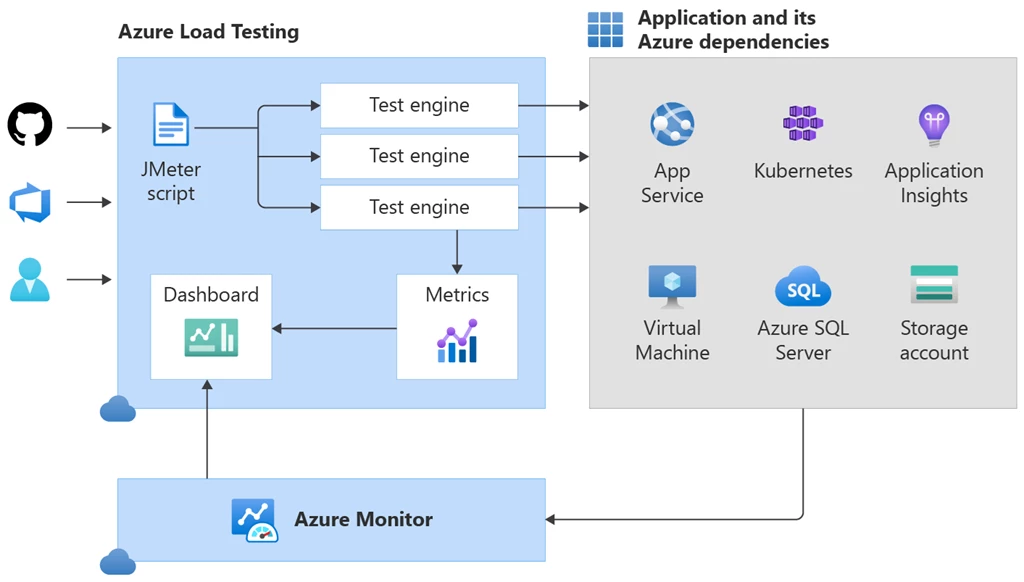
Credit: azure.microsoft.com
Frequently Asked Questions For How To Optimize Application Performance
What Affects Web Application Performance?
Web application performance is influenced by server capacity, application code efficiency, database optimization, and user’s network conditions.
How To Reduce App Load Time?
To reduce app load time, minimize HTTP requests, enable compression, leverage browser caching, and optimize content delivery with CDNs.
Why Is Application Speed Crucial For Ux?
Application speed is crucial for UX because faster load times improve user satisfaction, engagement, and reduce bounce rates, directly affecting conversions.
Conclusion
Optimizing app performance is vital for user satisfaction and retention. By implementing the strategies discussed, developers can enhance functionality and speed. Remember, regular updates and user feedback are key to ongoing improvement. Stay ahead of the curve and ensure your application delivers a seamless experience every time.
Keep optimizing, keep excelling.
Leave a Reply