
To use social media for business, create engaging content and interact with your audience regularly. Leverage analytics to refine your strategy.
Social media offers powerful tools to grow your business. Platforms like Facebook, Instagram, and LinkedIn provide direct access to potential customers. Crafting engaging content helps build brand awareness and fosters customer loyalty. Regular interaction with your audience through comments, messages, and live sessions creates a sense of community.
Utilizing social media analytics enables you to track performance and adjust strategies for better results. Consistency in posting and maintaining a strong online presence is key. Social media marketing, when done right, can significantly boost your business’s visibility and drive sales. Make sure to stay updated with the latest trends and adapt accordingly.
Table of Contents
Setting Goals
Set clear objectives for your social media efforts. Decide what you want to achieve. These goals can be increasing brand awareness, boosting sales, or engaging with customers. Make sure your objectives are specific and measurable. This will help you stay focused and track progress.
Use analytics tools to measure your success. Track key metrics like engagement, reach, and conversions. Compare these numbers to your initial goals. Adjust your strategy if needed. Regularly review your performance data to stay on track. This will help you understand what works and what doesn’t.
Choosing Platforms
Understand your audience’s interests. Identify their age group and location. This helps in choosing the right platform. Younger audiences prefer Instagram and TikTok. Older audiences might use Facebook more. Professionals often use LinkedIn.
Each platform has unique features. Instagram focuses on photos and short videos. Twitter is great for short updates. LinkedIn is perfect for professional networking. Use Facebook for community building. TikTok is best for viral content.
Creating Content
Creating diverse content is key. Videos, blogs, and infographics work well. Share customer stories and behind-the-scenes looks. Use polls and quizzes for interaction. Live streams also engage audiences. Educational posts build trust. Highlight product features and benefits.
High-quality images attract more views. Use bright colors and clear fonts. Consistency in style is important. GIFs and memes add fun. Original graphics stand out. Short videos capture attention quickly. Infographics simplify complex info.

Credit: www.shoutmeloud.com
Building A Strategy
Creating a content calendar helps plan posts. This ensures a steady flow of content. Organized content boosts engagement. A calendar prevents last-minute rushes. This leads to higher-quality posts. Use tools like Google Calendar or Trello. These tools make planning easy.
Consistent posting keeps the audience engaged. Frequency varies by platform. On Instagram, post once a day. For Twitter, several tweets daily work best. On LinkedIn, 2-3 times a week is ideal. Analyze audience behavior. Adjust the schedule based on engagement. Quality always beats quantity. Focus on what resonates most.
Engaging With Audience
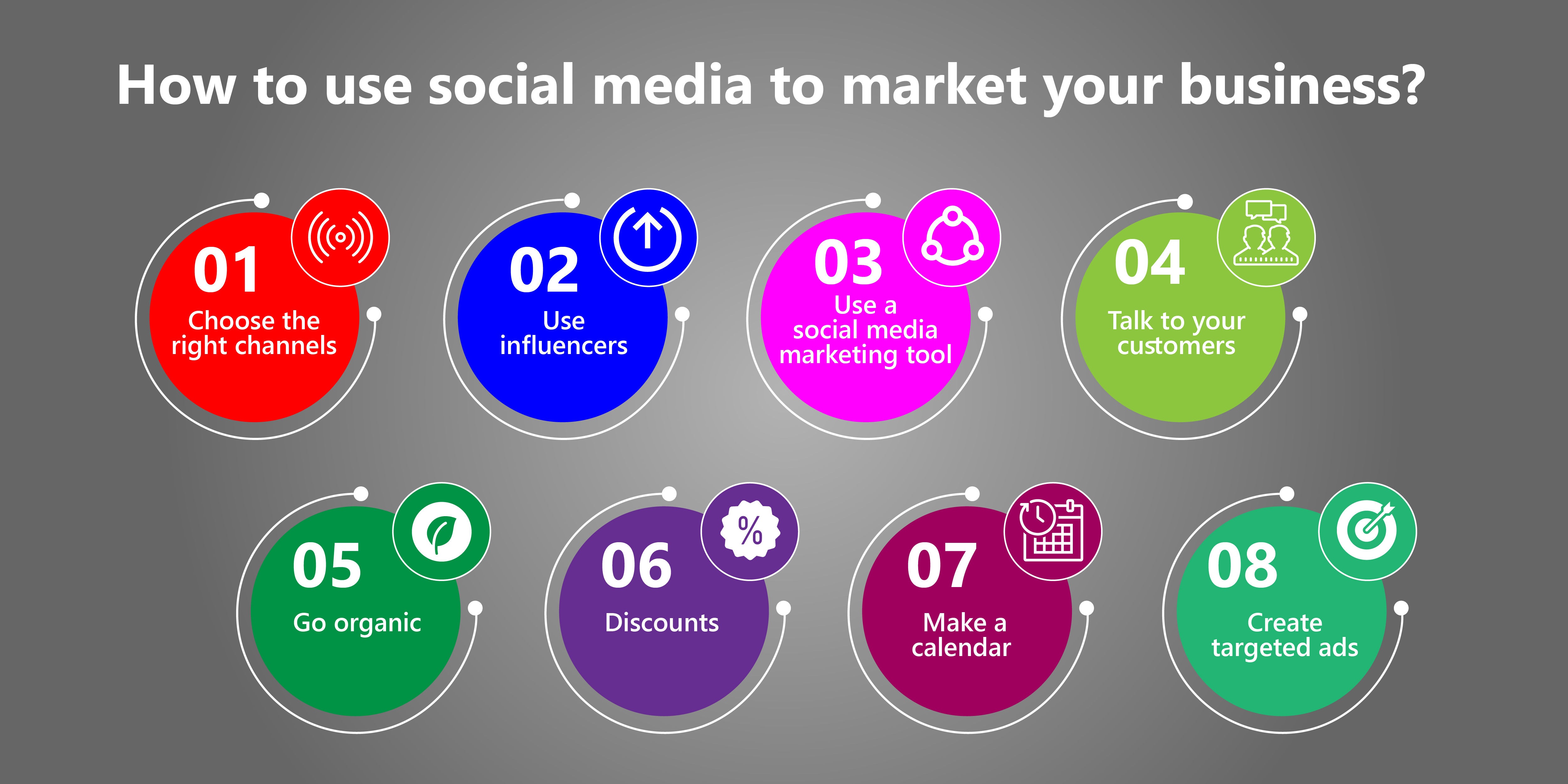
Boost business success by connecting with your audience on social media. Share valuable content and engage through comments and messages. Build relationships that drive brand loyalty.
Responding To Comments
Replying to comments is very important. People feel valued when you respond. Always be polite. Thank users for their feedback. Address any concerns quickly. Show that you care about their opinions. This builds trust.
Encouraging Interaction
Ask questions in your posts. This invites people to comment. Use polls to engage users. Share user-generated content. It makes followers feel involved. Hold contests or giveaways. This boosts interaction. Always reply to comments. Your response encourages more replies.
Credit: www.talisma.com
Using Analytics
Track important metrics like engagement, reach, and click-through rates. These metrics show how well your content performs. Use tools like Google Analytics or built-in social media insights. This helps you understand your audience better.
Adjust your strategy based on the data collected. If engagement is low, try different content types. Experiment with videos, images, or polls. Check which posts get the most likes and shares. Focus more on similar content. Regularly review your metrics to keep your strategy effective.
Advertising Tactics
Paid campaigns on social media can boost your business. Facebook Ads and Instagram Ads help you reach more people. Choose your audience based on age, location, and interests. This ensures your ads are shown to those who might buy your product. Budget is flexible. Start with a small amount and increase as you see results. Engaging content is key. Use bright images and catchy text. Track your ad performance. Adjust your strategy based on the results. This way, your business grows effectively.
Social media platforms offer many targeting options. You can target by demographics like age, gender, and income. Interests targeting lets you reach people based on hobbies and likes. Behavioral targeting focuses on past actions like buying habits. Lookalike audiences find users similar to your current customers. This expands your reach. Custom audiences allow you to retarget users who visited your website. This increases the chance of conversion. Using these options wisely can improve your ad success.
Staying Updated
Stay updated on how to use social media for business by following industry leaders and engaging with relevant content. Regularly check trends and participate in discussions to boost your brand’s visibility and credibility.
Industry Trends
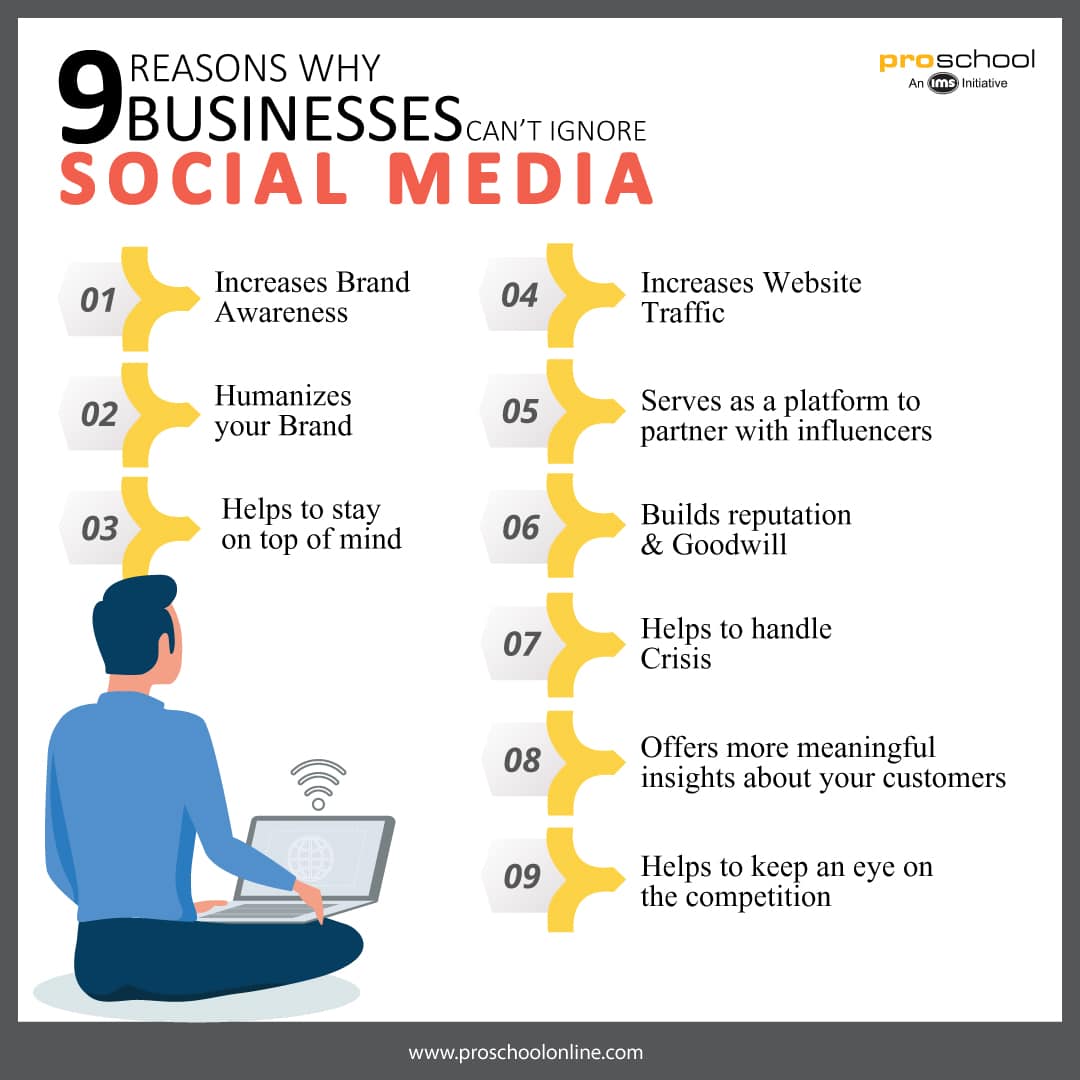
Businesses must keep an eye on industry trends. This helps them stay competitive. Social media platforms offer real-time updates. Follow key industry leaders and experts. Engage in relevant discussions. Use hashtags to find trending topics. Join groups related to your industry. This will provide valuable insights.
Platform Updates
Social media platforms often update their features. These updates can affect your business strategies. Stay informed about new platform updates. Follow official accounts of the platforms you use. This ensures you don’t miss important changes. Regularly visit their blogs and forums. Adapt your strategies according to new features. This helps in maintaining your business presence.
Credit: proschoolonline.com
Frequently Asked Questions
How To Use Social Media For Your Business?
Use social media by creating engaging content, interacting with followers, and using targeted ads. Monitor analytics regularly.
What Are The 4 Ways That Businesses Can Use Social Media?
Businesses can use social media to build brand awareness, engage with customers, drive website traffic, and generate leads. Social media platforms also help in monitoring competitor activities and trends.
How Can Social Media Be Used As A Business Tool?
Social media boosts business by increasing brand awareness, engaging with customers, and driving website traffic. It also supports advertising campaigns and market research.
How Do Small Business Owners Use Social Media?
Small business owners use social media to engage with customers, promote products, and build brand awareness. They share updates, run ads, and gather feedback.
Conclusion
Mastering social media for business boosts your brand and engages your audience. Focus on consistent, quality content. Monitor analytics to refine strategies. Embrace new trends to stay competitive. With dedication and creativity, social media can become a powerful tool for your business growth.
Start today and watch your online presence flourish.
Leave a Reply