
As of 2023, approximately 90% of businesses use social media for marketing and customer engagement. Social media has become essential for business growth and visibility.
Businesses increasingly rely on social media to connect with their audience. Platforms like Facebook, Instagram, LinkedIn, and Twitter offer valuable tools for marketing. Companies use these platforms to share updates, promote products, and interact with customers. Social media helps businesses reach a wider audience and build brand loyalty.
It also provides insights into customer preferences and behavior. Effective social media strategies can boost sales and enhance customer satisfaction. Staying active on social media is crucial for maintaining a competitive edge in today’s digital landscape.
Table of Contents
Social Media Adoption
More businesses use social media today. Small businesses, large corporations, and startups all join the trend. Social media helps them reach customers and promote products. It is now a key tool for marketing. Many companies feel social media is essential for success.
| Industry | Percentage Using Social Media |
|---|---|
| Retail | 90% |
| Technology | 85% |
| Healthcare | 70% |
| Finance | 75% |
| Manufacturing | 65% |
Benefits Of Social Media
Social media helps businesses reach more people. It makes brands more visible. People share posts with friends and family. This increases the brand’s reach. Social media platforms like Facebook and Instagram are very popular. Many people use them daily. This makes them perfect for brand awareness.
Engaging with customers is easier on social media. Businesses can reply to comments quickly. This makes customers feel valued. Social media allows for instant feedback. Customers can voice their opinions. Businesses can learn from this feedback. It helps improve products and services.
Popular Platforms
Many businesses use Facebook for marketing. It has the largest user base. Small businesses benefit the most. They can reach many customers. Facebook Ads help target specific groups. Customer interaction is easy on this platform.
Instagram is popular for visual content. Businesses use it to show products. Stories and reels increase engagement. Influencers play a big role here. Many brands partner with influencers. Instagram helps in building brand identity.
LinkedIn is best for B2B marketing. Professionals network here. Businesses share industry news. It is good for lead generation. LinkedIn Ads target professionals. It helps in recruiting talent too.
Twitter is great for quick updates. Businesses use it for customer service. Hashtags increase post reach. Twitter Trends highlight popular topics. It helps in real-time engagement. Brands share news and promotions here.
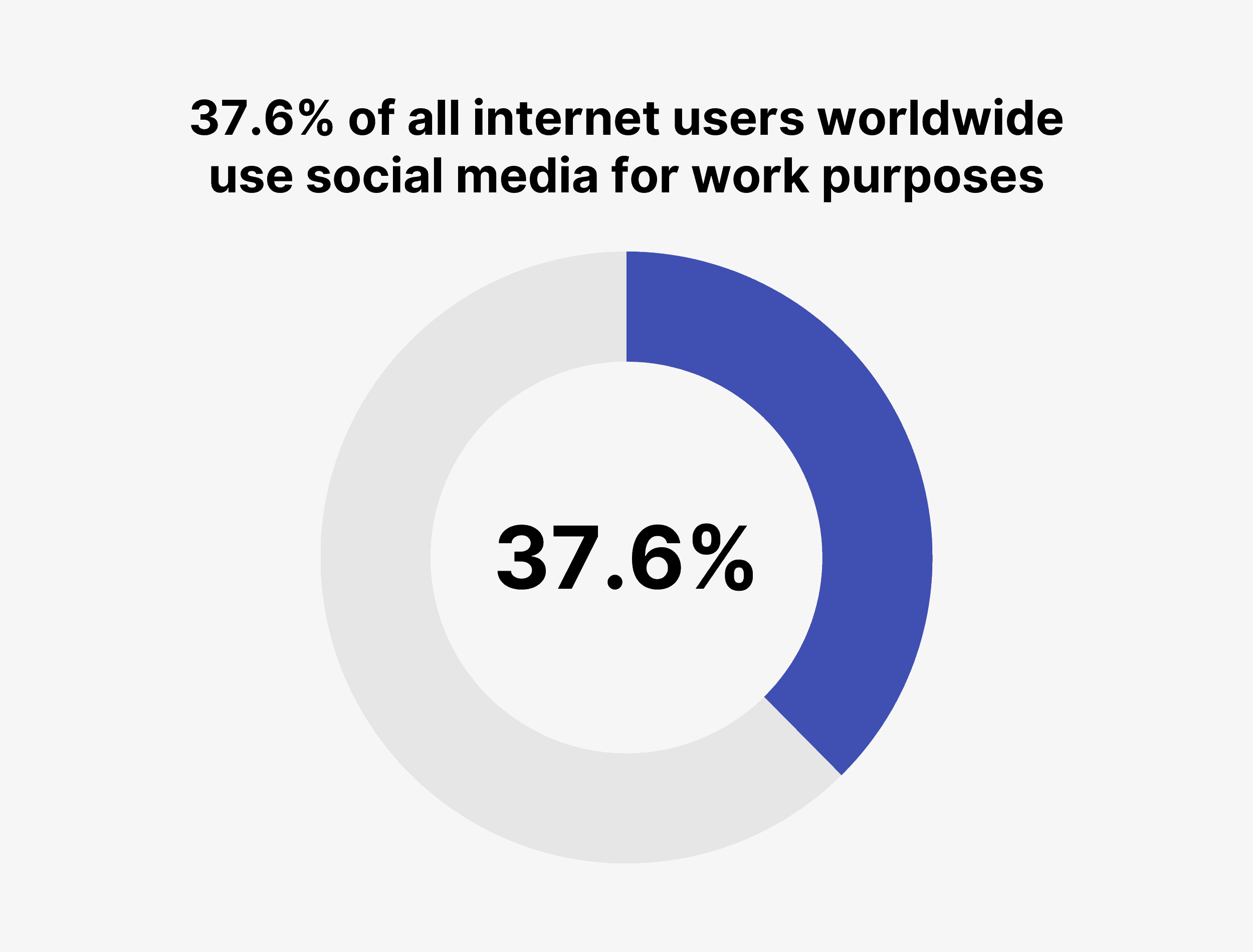
Credit: backlinko.com
Small Vs Large Businesses
Small businesses are eager to use social media. Many small businesses find it crucial. Large businesses also see its importance. They have dedicated teams for social media. Almost 80% of large businesses use social media. Only about 60% of small businesses use it. The gap is closing fast. Small businesses are catching up.
Social media helps businesses grow. Small businesses often use Facebook and Instagram. They find these platforms user-friendly. Large businesses use multiple platforms. LinkedIn and Twitter are popular among them. Different platforms meet different needs. Small businesses focus on local reach. Large businesses aim for global reach. Social media strategies vary by business size.
Regional Differences
In North America, 80% of businesses use social media. Many companies use platforms like Facebook and Twitter. Small businesses also benefit greatly from these tools. They help in customer engagement and marketing. Social media is part of daily business operations.
Businesses in Europe also use social media widely. Around 70% of companies are active online. They focus on platforms such as LinkedIn. Social media helps in networking and recruitment. Companies see it as a key to growth.
In the Asia-Pacific region, 60% of businesses use social media. Platforms like WeChat and Instagram are popular. These tools help in reaching a wider audience. Social media is crucial for both marketing and customer service. Many companies are increasing their online presence.
Challenges In Adoption
Many businesses struggle with allocating resources for social media. Small companies often lack dedicated staff. They might not have the budget for social media tools. This makes it hard to keep up with regular posting. Larger businesses may have more resources. But they also have more complex needs. Balancing resources between departments can be tricky. Proper training is also a challenge. Many employees need to learn new skills for social media tasks.
Measuring return on investment (ROI) is tough for social media. Businesses find it hard to link social media efforts to sales. The impact of a social media campaign is not always clear. Different platforms have different metrics. This makes tracking progress complicated. Businesses need to choose the right KPIs. They must decide what success looks like. Often, it is hard to see immediate results. Patience and long-term strategy are key.
Future Trends
New social media platforms are coming up fast. These platforms attract younger users. TikTok is one of the most popular new platforms. Businesses are using TikTok to reach younger customers. Another new platform is Clubhouse. This app is all about voice chats. Brands can host live discussions on Clubhouse.
Artificial Intelligence is changing social media marketing. AI tools help businesses make better ads. These tools can also reply to customer questions quickly. Automation saves time and effort. Businesses can schedule posts for the whole week. Chatbots are also becoming popular. They can answer questions 24/7. This helps businesses stay connected with customers.

Credit: sproutsocial.com
Case Studies
Many businesses run successful campaigns on social media. These campaigns often go viral. One example is a small bakery. They used Instagram to post pictures of their cakes. Their sales increased by 50% in just one month. Another example is a local gym. They used Facebook ads to attract new members. Their membership doubled in three months.
Businesses learn a lot from their campaigns. First, engaging content is key. Posts should be interesting and fun. Second, consistency matters. Posting regularly keeps followers engaged. Third, interaction is important. Replying to comments builds a loyal community.
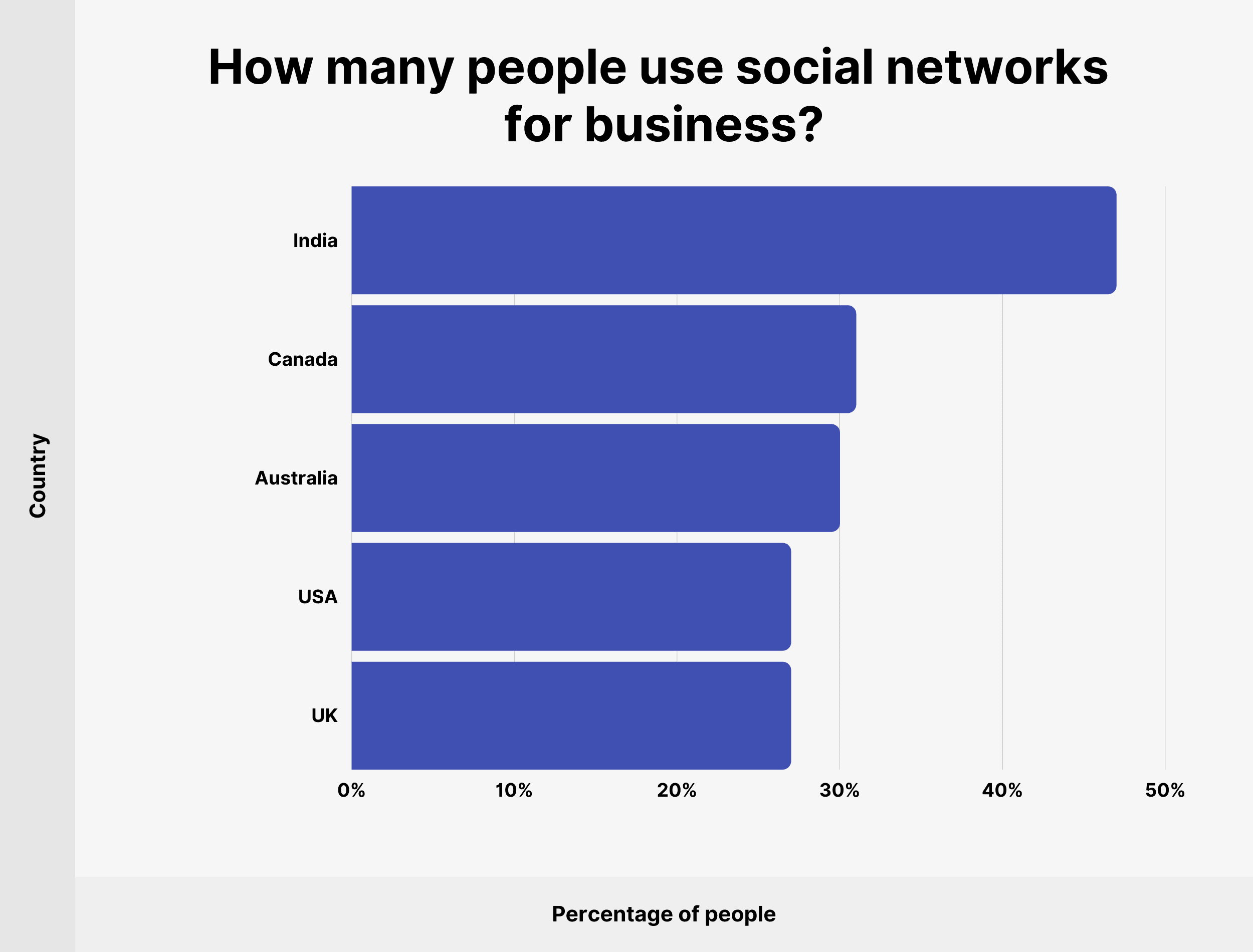
Credit: www.wishup.co
Frequently Asked Questions
What Percent Of Businesses Use Social Media?
Approximately 91% of businesses use social media for marketing. This helps increase brand awareness and customer engagement.
What Percentage Of Businesses Are Using Social Media Today 65 Percent 50 Percent 80 Percent 35 Percent?
Approximately 80 percent of businesses are using social media today. This high usage indicates its importance in modern marketing strategies.
What Percentage Of People Use Social Media Today?
Over 4. 7 billion people use social media today, representing approximately 60% of the global population. This number continues to grow.
What Percent Of Fortune 500 Companies Use Social Media?
Approximately 97% of Fortune 500 companies use social media. They leverage platforms like LinkedIn, Twitter, and Facebook for marketing and engagement.
Conclusion
Businesses increasingly recognize the power of social media. This trend shows no signs of slowing down. With a high percentage using these platforms, it’s clear that social media is essential. Embracing social media can boost visibility and engagement. Stay ahead by integrating social media into your business strategy today.
Leave a Reply