
In today’s world, everyone uses the internet. We visit websites for many reasons. But have you ever wondered, “Is a website a digital product?” Let’s explore this topic.
Table of Contents
What is a Digital Product?
A digital product is something you can’t touch. It exists only in digital form. Examples include eBooks, software, and online courses. You can buy, download, or access them online.
Features of a Digital Product
Digital products have some special features:
- Intangible: You can’t touch or feel them.
- Scalable: You can sell them to many people without extra cost.
- Easily Distributable: You can share them online quickly.
- No Inventory: You don’t need to store them anywhere.
What is a Website?
A website is a collection of web pages. These pages are linked together. They can have text, images, videos, and more. Websites are accessed through the internet.
Types of Websites
There are many types of websites. Here are some common ones:
| Type | Description |
|---|---|
| Personal Website | A site about an individual. It may include a blog or resume. |
| Business Website | A site for a company. It shows their products or services. |
| E-commerce Website | A site where you can buy products online. |
| Educational Website | A site for learning. It may have courses and tutorials. |
| News Website | A site for current events and articles. |
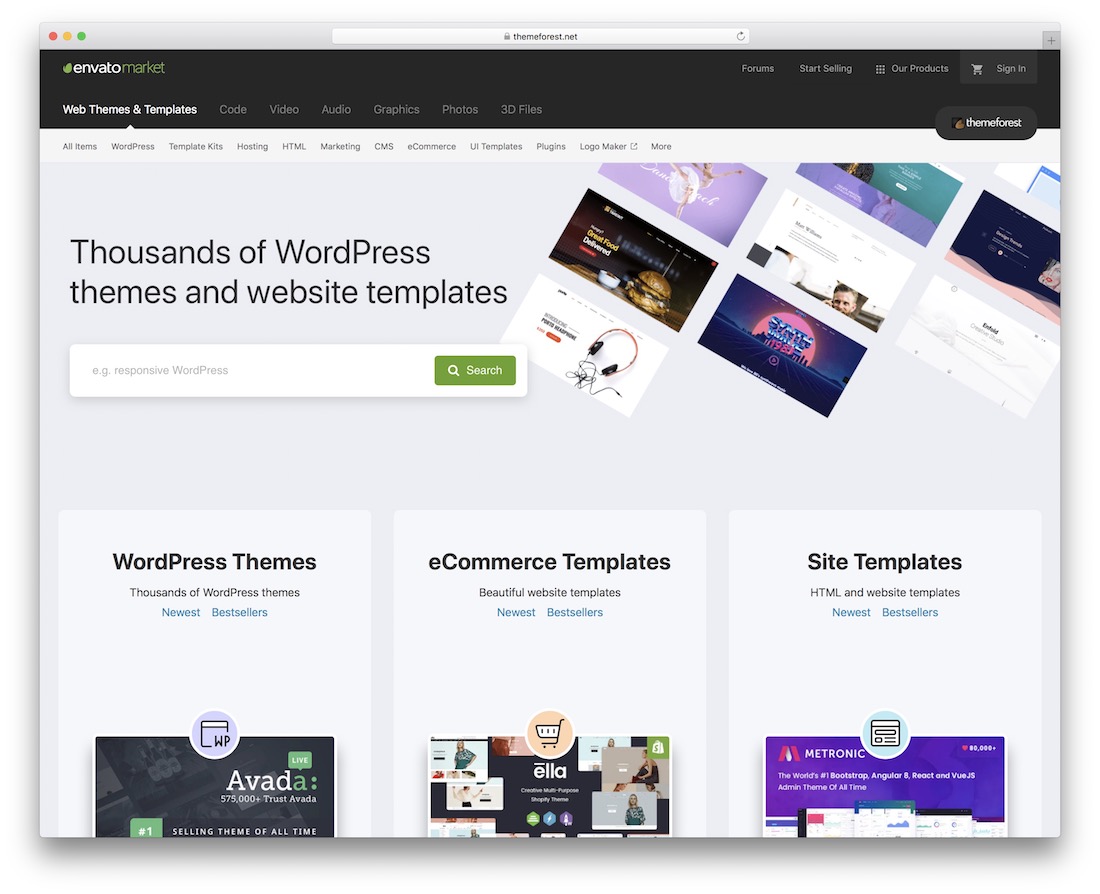
Credit: colorlib.com
Features of a Website
Websites have unique features too:
- Accessible 24/7: You can visit a website any time.
- Interactive: Websites let you click, type, and explore.
- Multimedia: Websites can show videos, images, and sounds.
- Dynamic Content: Websites can change content easily.
Comparing Websites and Digital Products
So, how do websites compare to digital products? Let’s see:
| Feature | Website | Digital Product |
|---|---|---|
| Intangible | Yes | Yes |
| Scalable | Yes | Yes |
| Easily Distributable | Yes | Yes |
| No Inventory | Yes | Yes |
As you can see, websites share many features with digital products.
Benefits of Having a Website
Websites offer many benefits:
- Reach More People: Anyone with internet can visit your site.
- Showcase Your Work: Display your projects, products, or services.
- Build Trust: A professional site makes you look credible.
- Easy Updates: You can update content anytime.
- Cost-Effective: Websites are cheaper than physical stores.
Why Consider a Website as a Digital Product?
Websites fit the definition of a digital product. Here’s why:
- Digital Presence: Websites exist only online.
- Content Delivery: They deliver information digitally.
- User Interaction: Users engage with them online.
Thus, it makes sense to call a website a digital product.
Examples of Websites as Digital Products
Some websites are excellent digital products:
- Netflix: Watch movies and shows online.
- Amazon: Buy products and get them delivered.
- Coursera: Learn new skills through online courses.
These websites offer digital services and products.

Credit: www.shopify.com
Frequently Asked Questions
What Defines A Digital Product?
A digital product is intangible, delivered electronically, and includes software, eBooks, and online services.
Is A Website Considered A Digital Product?
Yes, a website is a digital product that provides online information or services.
How Do Websites Generate Revenue?
Websites generate revenue through ads, subscriptions, e-commerce, and affiliate marketing.
Why Are Websites Important For Businesses?
Websites enhance online presence, attract customers, and drive sales, making them crucial for business growth.
Conclusion
So, is a website a digital product? Yes, it is. Websites share many features with digital products. They offer many benefits and reach a wide audience. In today’s world, having a website is essential. It helps you connect with people globally.
Do you have a website? If not, consider creating one today. It’s a powerful digital product that can boost your presence.
Leave a Reply