
Being a digital humanitarian involves advocating for causes online, while a real-world humanitarian actively engages in hands-on work to help those in need. Digital humanitarians raise awareness through social media, while real-world humanitarians provide direct assistance to individuals and communities affected by crises or emergencies.
In today’s interconnected world, technology has revolutionized the way we communicate and engage with social issues. Digital humanitarians leverage the power of the internet to amplify their voices, reach a wider audience, and rally support for various causes. They can share information, raise funds, organize campaigns, and advocate for policy changes through online platforms.
On the other hand, real-world humanitarians dedicate their time and effort on the ground, responding to immediate needs and providing aid to vulnerable populations. They may work in areas such as disaster response, healthcare, education, or community development, using their skills and expertise to directly help those affected by crises. While both types of humanitarians contribute to addressing global challenges, they operate in different spheres and employ distinct approaches in their efforts.
Table of Contents
Challenges Faced
Challenges FacedIn the realm of humanitarian work, both digital and real-world approaches present their own set of unique challenges. Each avenue comes with its own hurdles to overcome, the most common being resource accessibility and logistical limitations.
Resource Accessibility
One of the primary challenges in being a digital or real-world humanitarian is access to resources. In the digital sphere, access to reliable internet connection, computers, and software is crucial for effective communication and coordination. On the other hand, real-world humanitarian efforts often face limitations in terms of funding, supplies, and manpower.
Logistical Limitations
Logistical constraints pose a major obstacle for both digital and real-world humanitarian work. Digital humanitarians may encounter challenges in reaching remote or disaster-stricken areas due to limited infrastructure and technology access. Similarly, real-world humanitarians face constraints in delivering aid and navigating complex political landscapes, impeding their ability to reach those in need.
Overall, the challenges faced by both digital and real-world humanitarian efforts are significant, requiring innovative solutions to overcome resource accessibility and logistical limitations.

Credit: www.amazon.com
Impact Evaluation
Explore the stark differences between being a digital and real-world humanitarian through impact evaluation. Dive into the distinctive methods and approaches utilized to assess effectiveness in both realms. Understanding these disparities can lead to more targeted and impactful humanitarian efforts.
Impact evaluation is a crucial aspect of humanitarian efforts, whether they are focused on the digital realm or the offline world. It helps determine the effectiveness of interventions and guides decision-making for future initiatives. However, there are distinct differences in how impact is evaluated in digital and real-world humanitarian work. In this section, we will discuss two important factors that set them apart: immediate vs long-term impact and data collection challenges.Immediate Vs Long-term Impact
Assessing the impact of digital humanitarian efforts often involves analyzing real-time data to measure immediate outcomes. For example, during a disaster response, organizations can track the number of people reached through social media campaigns or the volume of emergency requests received online. This allows for quick adjustments and targeted interventions as needed, ensuring a prompt response to the crisis at hand. In contrast, evaluating the impact of real-world humanitarian work typically involves a longer time frame. The effects of interventions in areas such as sanitation, education, or healthcare can take months or even years to manifest fully. Long-term impact evaluation often involves assessing changes in indicators such as mortality rates, educational attainment, or economic development over an extended period.Data Collection Challenges
Collecting data for impact evaluation presents unique challenges in both digital and real-world humanitarian contexts. In the digital realm, organizations may face issues regarding data privacy, accuracy, and representativeness. Social media data, for example, can be subject to biases and may not accurately reflect the experiences and needs of the affected population. On the other hand, real-world impact evaluation may struggle with data collection in remote or conflict-affected areas. Limited resources, infrastructure, and even security concerns can pose significant challenges. Obtaining accurate data from hard-to-reach populations may involve innovative approaches such as mobile surveys or community-based data collection methods. Despite these challenges, both digital and real-world humanitarian work can benefit from the use of technology to enhance impact evaluation. Digital tools and platforms can provide valuable insights and streamline data collection processes, while offline interventions can leverage technology for data management and analysis. In conclusion, the evaluation of impact in digital and real-world humanitarian work differs in terms of immediate vs long-term assessment and data collection challenges. Both approaches play critical roles in addressing humanitarian needs effectively and shaping future interventions. By understanding these differences, organizations can optimize their strategies, improve outcomes, and ultimately contribute to a more impactful and sustainable humanitarian response.Communication Methods
Effective communication lies at the heart of humanitarian work, regardless of whether it takes place in the digital or real world. However, there are distinct differences in the methods of communication employed by digital and real world humanitarians. Understanding these differences is crucial in bridging the gap between the two and ensuring the maximum impact of humanitarian efforts. This section will explore the communication methods used by digital and real world humanitarians, with a focus on virtual platforms and face-to-face interactions.
Virtual Platforms
Digital humanitarianism has revolutionized the way individuals connect and engage in humanitarian work. Virtual platforms offer an array of communication channels that enable instant interaction, coordination, and outreach on a global scale. These platforms include social media, online forums, email, and messaging applications. Through these channels, digital humanitarians can connect with individuals from diverse backgrounds and collaborate on initiatives that transcend geographical boundaries.
Virtual platforms bring together a vast network of individuals, organizations, and resources, facilitating the rapid dissemination of information and the mobilization of assistance. Thanks to the power of virtual collaboration, real-time updates, and immediate response, digital humanitarians can efficiently respond to crises, coordinate volunteers, and provide vital resources to affected communities. The unwavering connectivity offered by virtual platforms allows digital humanitarians to transcend the constraints of time and distance to reach those in need.
Face-to-face Interaction
While digital platforms offer numerous advantages, the importance of face-to-face interaction cannot be dismissed in the realm of real-world humanitarianism. Direct engagement with communities and individuals allows real world humanitarians to build trust, establish personal connections, and gain a comprehensive understanding of the challenges faced by affected populations.
Face-to-face interaction enables humanitarians to listen actively, empathize, and tailor their interventions to specific needs and cultural contexts. It fosters an environment of collaboration, nurturing local capacities and empowering communities to take charge of their own development. When real-world humanitarians engage directly with individuals and communities, they gain firsthand knowledge, which helps in developing context-specific solutions and ensures the sustainability of their interventions.
Discussions, workshops, and community meetings are some of the traditional methods employed by real-world humanitarians to foster dialogue and participation. These techniques allow the exchange of ideas, empowering individuals to voice their concerns and contribute to decision-making processes. The physical presence of real-world humanitarians can convey a sense of solidarity, compassion, and dedication, motivating communities to actively engage in recovery and development efforts.
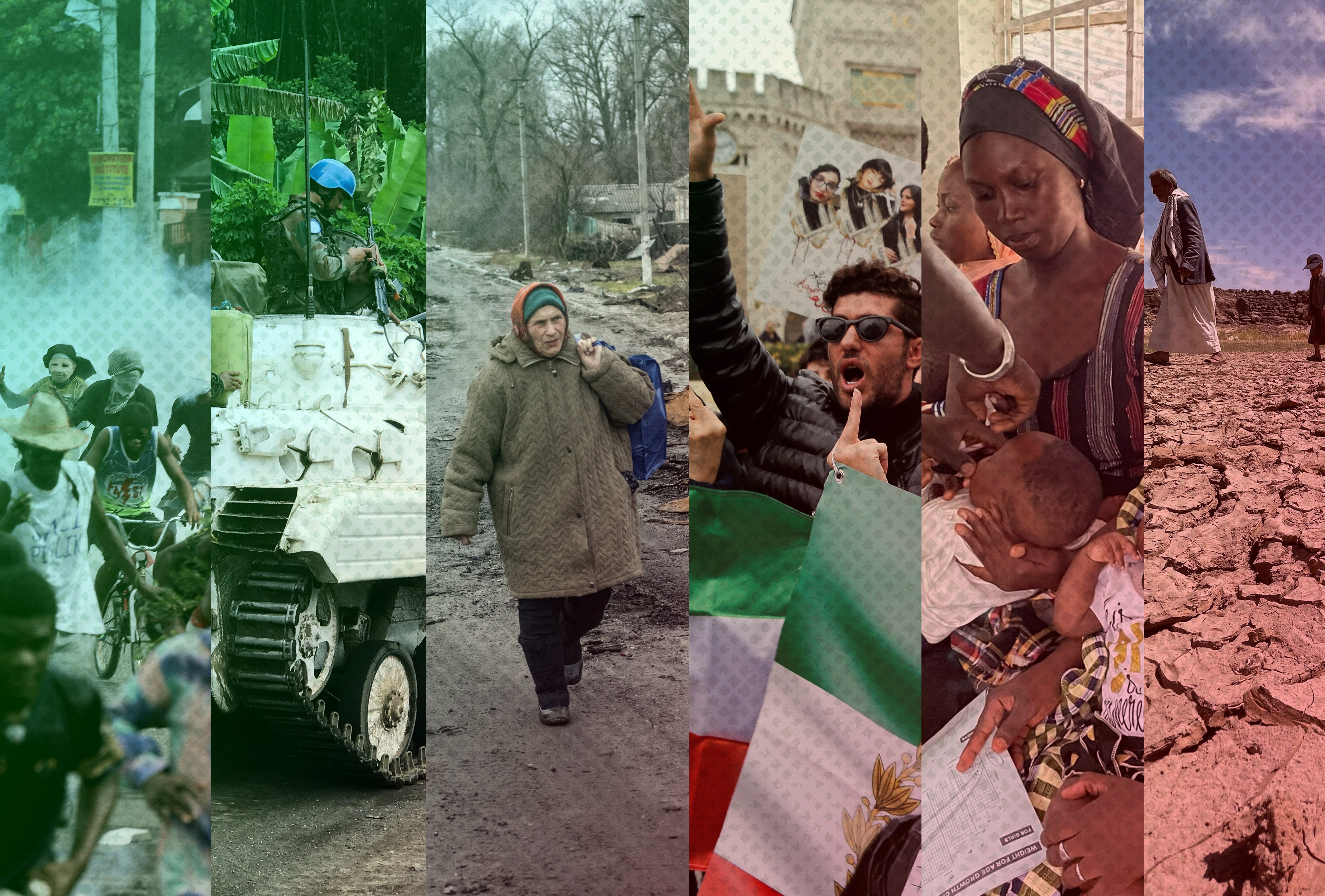
Credit: www.thenewhumanitarian.org
Adaptability And Innovation
When it comes to humanitarian work, adaptability and innovation are crucial in meeting the evolving needs of communities. Both digital and real-world humanitarian efforts require creative thinking and flexibility to address various challenges. Let’s explore the difference in their approaches under the subheading of Adaptability and Innovation.
Use Of Technology
Digital humanitarians leverage advanced technologies such as drones, satellite imagery, and data analytics to rapidly assess disaster-affected areas, identify vulnerable populations, and coordinate efficient aid delivery. On the other hand, real-world humanitarian efforts often rely on manual processes for needs assessment and distribution, which can be more time-consuming.
Traditional Approaches
In contrast, real-world humanitarians rely on conventional methods such as face-to-face interactions and local community engagement to understand the needs of the affected individuals. This hands-on approach allows them to build trust and establish connections within the community, fostering long-term sustainability of aid efforts.
Community Engagement
Community Engagement:
Being a digital or real-world humanitarian involves community engagement, but the approach varies.
Local Integration
Real-world humanitarians focus on hands-on involvement within the local community, offering immediate aid.
Digital Community Building
Digital humanitarians use online platforms to create virtual communities to raise awareness and funds.

Credit: www.amazon.com
Frequently Asked Questions Of What Is The Difference Between Being A Digital And A Real World Humanitarian
What Are The Main Differences Between Digital And Real-world Humanitarian Efforts?
Digital humanitarianism utilizes technology; real-world humanitarianism involves physical aid distribution and on-the-ground assistance.
How Does Being A Digital Humanitarian Impact Global Outreach And Influence?
Digital humanitarian efforts have a wide reach through online platforms, engaging a global audience for support and awareness.
In What Ways Can Individuals Contribute To Both Digital And Real-world Humanitarian Causes?
People can donate online, volunteer locally, spread awareness on social media, and physically assist in relief efforts.
Conclusion
Being a digital humanitarian involves leveraging online platforms for global outreach and impact. On the other hand, a real-world humanitarian focuses on direct, tangible assistance to communities in need. Both approaches offer unique strengths and challenges, highlighting the importance of integration and collaboration in addressing humanitarian issues effectively.
Leave a Reply