
Open APIs have the potential to accelerate the digital finance ecosystem by enabling seamless integration and collaboration between financial institutions and third-party developers. By providing standardized interfaces for accessing and sharing financial data, Open APIs can foster innovation, increase competition, and enhance customer experience in the digital finance space.
This leads to a more interconnected and efficient ecosystem, where new services and applications can be easily developed and deployed, ultimately benefiting both financial institutions and consumers. With Open APIs, financial services can become more accessible, personalized, and tailored to individual needs, driving the digital transformation of the finance industry.
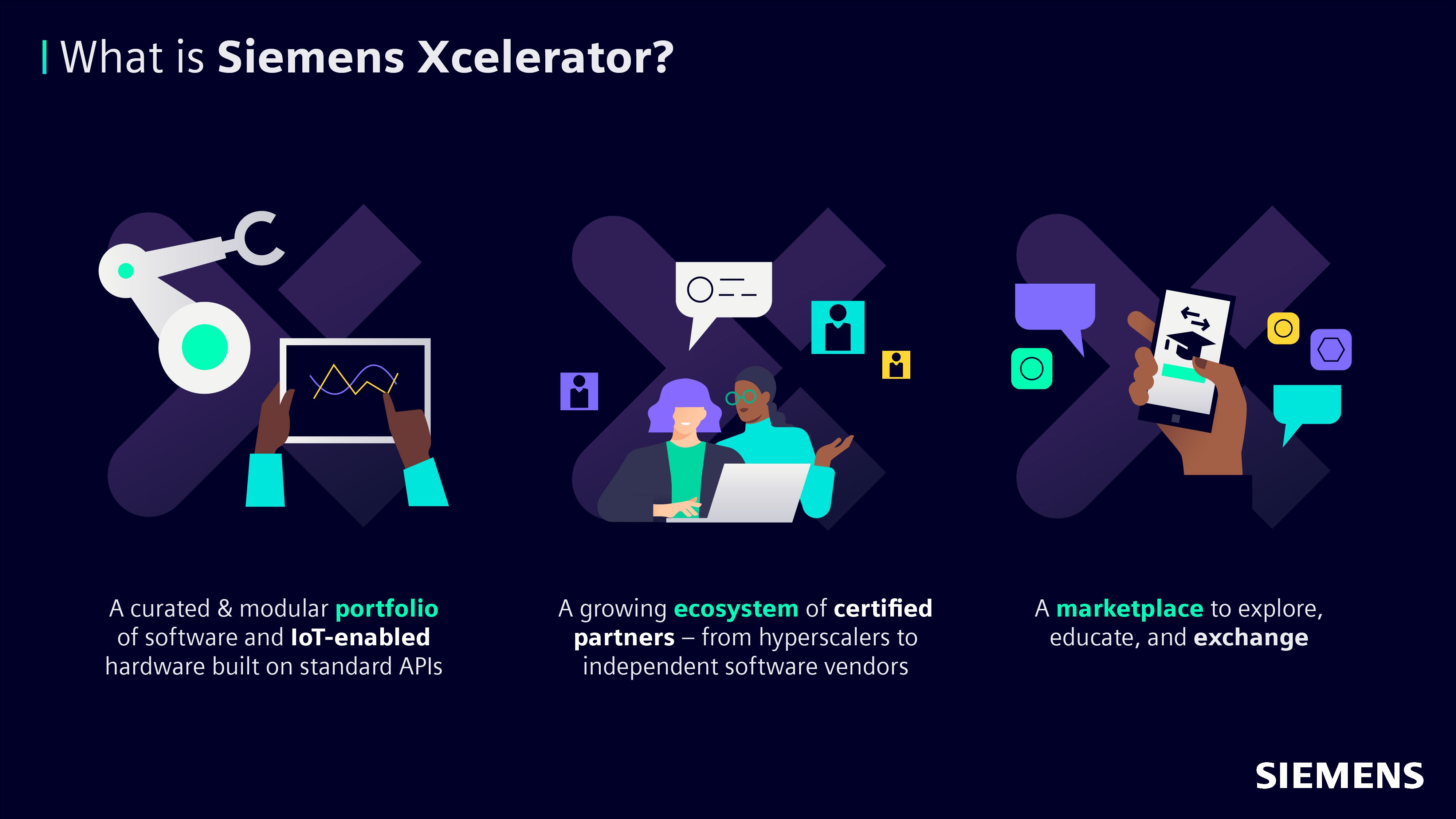
Credit: press.siemens.com
Table of Contents
The Role Of Open Apis In Digital Finance
The Role of Open APIs in Digital Finance is paramount in today’s tech-driven financial ecosystem. Open APIs play a crucial role in fostering connectivity, innovation, and interoperability in the digital finance landscape. Let’s examine how open APIs are revolutionizing the industry and accelerating the digital finance ecosystem.
Enhancing Interoperability
Open APIs are a catalyst for enhancing interoperability in the digital finance sector. By standardizing communication protocols and data formats, open APIs enable seamless integration and communication between diverse financial systems and third-party applications. This interoperability empowers businesses and consumers to access and utilize financial services flexibly and efficiently. In essence, open APIs facilitate a cohesive and interconnected digital finance ecosystem, promoting accessibility and collaboration.
Facilitating Innovation
Open APIs are instrumental in facilitating innovation within the digital finance sector. By providing third-party developers access to financial institutions’ data and functionalities, open APIs encourage the creation of innovative fin-tech solutions and services. This collaborative innovation drives the development of diverse financial products, improves user experiences, and promotes technological advancement. Furthermore, open APIs foster a competitive environment that motivates financial organizations to continually enhance their offerings, ultimately benefiting consumers through improved financial tools and services.
Benefits Of Open Apis In The Financial Sector
Open APIs in the financial sector have revolutionized the way digital finance operates, providing a myriad of benefits that accelerate the growth and efficiency of the ecosystem. By facilitating seamless integration and interoperability across various financial systems, open APIs significantly contribute to cost reduction, improved customer experience, and streamlined processes.
Cost Reduction
Open APIs play a pivotal role in reducing operational costs for financial institutions. Through seamless integration with third-party services and applications, organizations can avoid the hefty expenses associated with developing and maintaining in-house solutions. Furthermore, open APIs enable these institutions to leverage existing expertise and resources, thereby minimizing the need for extensive development and infrastructure investments.
Improved Customer Experience
With the implementation of open APIs, financial organizations can deliver a seamless and personalized experience to their customers. By allowing for secure and convenient data sharing, open APIs empower these institutions to offer integrated financial services, enhancing customer satisfaction and loyalty. This leads to enhanced engagement and retention rates, ultimately cementing the institution’s position in the competitive landscape.
Challenges And Risks Of Adopting Open Apis
Discover the potential drawbacks in embracing Open APIs for digital finance, including security vulnerabilities and data privacy concerns. While Open APIs can drive innovation, it’s crucial to mitigate risks for a seamless integration into the financial ecosystem.
The adoption of open APIs in the digital finance ecosystem brings several challenges and risks that organizations must carefully navigate.Security Concerns
Data breaches can occur if strong security measures are not in place. Inadequate encryption of sensitive information poses a significant risk. Organizations must constantly monitor for potential vulnerabilities in their API infrastructure.Regulatory Compliance
Maintaining compliance with various regulations is crucial in the financial sector. Data privacy laws can present challenges when sharing information through APIs. Ensuring transparency in data handling practices is essential for compliance. In conclusion, while open APIs offer numerous benefits, organizations must address security concerns and regulatory compliance to ensure a smooth integration into the digital finance ecosystem.Successful Implementation Strategies
Implementing open APIs in the digital finance ecosystem requires careful planning and a strategic approach. In order to maximize the potential benefits and ensure a successful implementation, financial institutions must consider various key factors. This section explores two important strategies that can significantly contribute to the successful implementation of open APIs: partnership collaborations and API monetization.
Partnership Collaborations
Building strong partnerships is vital when it comes to implementing open APIs in the digital finance industry. Collaborating with established fintech companies and other industry players can help financial institutions leverage existing expertise and resources. By working together, banks and fintech firms can combine their strengths to create innovative and seamless solutions for customers.
A successful partnership collaboration involves a deep understanding of the strengths and capabilities of both parties involved. It requires clear communication, shared goals, and a mutual commitment to driving value in the digital finance ecosystem. By establishing strategic partnerships, financial institutions gain access to advanced technology, specialized knowledge, and a wider range of services that can be integrated through open APIs.
A collaborative approach not only accelerates the implementation process but also fosters a culture of innovation and continuous improvement. Harnessing the power of partnerships enables financial institutions to offer enhanced products and services, streamline operations, and stay ahead in a rapidly evolving digital landscape.
Api Monetization
API monetization plays a crucial role in the successful implementation of open APIs in the digital finance ecosystem. Financial institutions need to develop effective strategies to generate revenue from their APIs while delivering value to customers. There are various approaches to API monetization, including:
- Developer Communities: Building vibrant developer communities around open APIs can attract third-party developers, encouraging them to create innovative applications and solutions. Financial institutions can charge developers for accessing premium features or additional services, thereby monetizing their APIs.
- Partner Programs: Creating partner programs allows financial institutions to collaborate with external companies to develop customized solutions. In exchange for accessing APIs and data, partners can pay licensing fees or revenue sharing based on the usage of the APIs.
- Value-added Services: Financial institutions can offer value-added services, such as analytics, reporting, or data enrichment, on top of their APIs. By charging for these additional services, they can generate revenue while providing enhanced functionalities to customers.
- Data-as-a-Service: Monetizing data through APIs can be a lucrative option for financial institutions. They can offer access to high-quality financial data to third-party developers or businesses for a fee, enabling them to build innovative applications or conduct market research.
By utilizing effective API monetization strategies, financial institutions can not only cover the costs of implementing open APIs but also create new revenue streams, attracting more developers and partners into their ecosystem.
Future Outlook For Open Apis In Digital Finance
Open APIs are poised to revolutionize the digital finance landscape, offering a gateway to accelerated growth and innovation. By fostering seamless connectivity and collaboration among financial services providers, open APIs have the potential to reshape the ecosystem and drive enhanced user experiences.
As the digital finance ecosystem continues to evolve, the use of Open APIs is expected to play a crucial role in accelerating its growth. Open APIs, which allow different software applications to communicate and share data, have already begun to transform the financial industry. They facilitate the seamless integration of various services and enable the development of innovative financial products. The future outlook for Open APIs in digital finance is filled with promise and potential, driven by emerging trends and the possibility of significant disruptions.
Emerging Trends
Several emerging trends are expected to shape the future of Open APIs in digital finance:
- Rise of Open Banking: Open banking initiatives worldwide are encouraging financial institutions to adopt Open APIs, giving customers greater control over their financial data and fostering competition.
- Expansion of Fintech Companies: Fintech companies are leveraging Open APIs to collaborate with traditional financial institutions and offer enhanced services, such as streamlined payments, better risk assessment, and customer personalization.
- Growing API Marketplaces: API marketplaces are emerging, providing developers with a vast selection of pre-built APIs to choose from, reducing development time and costs.
Potential Disruptions
The future is likely to witness several disruptions in the digital finance ecosystem due to the widespread adoption of Open APIs:
- New Revenue Streams: Open APIs enable financial institutions and fintech companies to explore new revenue streams by tapping into value-added services like data analytics or offering their APIs to external developers.
- Enhanced Customer Experience: Open APIs facilitate the creation of integrated platforms and personalized solutions that improve the overall customer experience, fostering customer loyalty and satisfaction.
- Market Consolidation: The widespread adoption of Open APIs may lead to market consolidation as collaboration between traditional financial institutions and fintech companies becomes more prevalent.
In conclusion, the future outlook for Open APIs in the digital finance ecosystem is promising. Emerging trends like open banking, the expansion of fintech companies, and the growth of API marketplaces are set to drive innovation and collaboration. Meanwhile, potential disruptions such as new revenue streams, enhanced customer experience, and market consolidation highlight the transformative power of Open APIs. As the digital finance landscape continues to evolve, Open APIs will remain a crucial element in accelerating its growth and ensuring a seamless and connected financial experience for all.

Credit: plaid.com
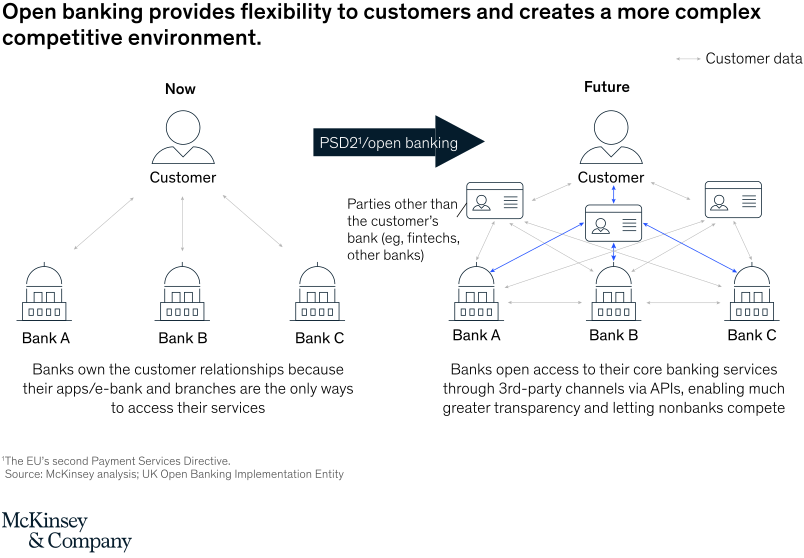
Credit: www.mckinsey.com
Frequently Asked Questions Of Can Open Apis Accelerate The Digital Finance Ecosystem
Can Apis Revolutionize The Digital Finance Industry?
Open APIs have the potential to revolutionize the digital finance industry by enabling seamless integration, enhancing user experience, and fostering innovation.
How Do Open Apis Contribute To The Growth Of The Digital Finance Ecosystem?
Open APIs play a crucial role in the growth of the digital finance ecosystem by facilitating collaboration, expanding product offerings, and driving customer-centric solutions.
What Advantages Do Open Apis Bring To Financial Institutions And Fintech Startups?
Open APIs offer financial institutions and fintech startups advantages such as cost savings, faster time to market, and access to a wider range of services and data.
Conclusion
Open APIs have the potential to revolutionize the digital finance landscape. By fostering collaboration and innovation, they can accelerate the growth of financial technology. Embracing Open APIs is key for financial institutions to stay competitive in a rapidly evolving market.
It’s vital to leverage this technology for a thriving digital finance ecosystem.
Leave a Reply