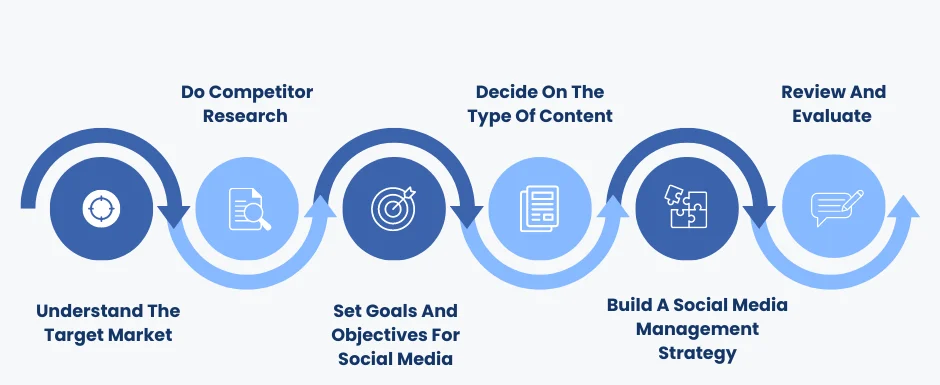
Small businesses can boost their online presence with targeted social media strategies. Engaging content and consistent posting are key.
Social media offers small businesses a powerful platform to reach potential customers. With the right strategies, businesses can grow their audience, engage with customers, and increase sales. Start by identifying your target audience and the platforms they use most. Create engaging, high-quality content that resonates with your audience.
Consistency is crucial; post regularly to keep your audience engaged. Use analytics tools to track performance and adjust strategies accordingly. Collaborate with influencers to expand reach. Respond promptly to comments and messages to build a loyal community. These steps help small businesses maximize their social media impact and achieve their goals.
Table of Contents
Introduction To Social Media
Social media helps small businesses reach more people. It is a cost-effective way to market products. Businesses can interact with customers easily. This builds a strong community around the brand. Positive feedback and reviews are shared quickly. This can improve the business’s reputation. Social media also helps in understanding customer needs better.
Each social media platform has its unique features. Facebook is great for reaching a wide audience. Instagram is perfect for sharing visual content. Twitter allows quick updates and customer interaction. LinkedIn is useful for professional networking. Pinterest is ideal for showcasing products. Choosing the right platform is crucial for business success.
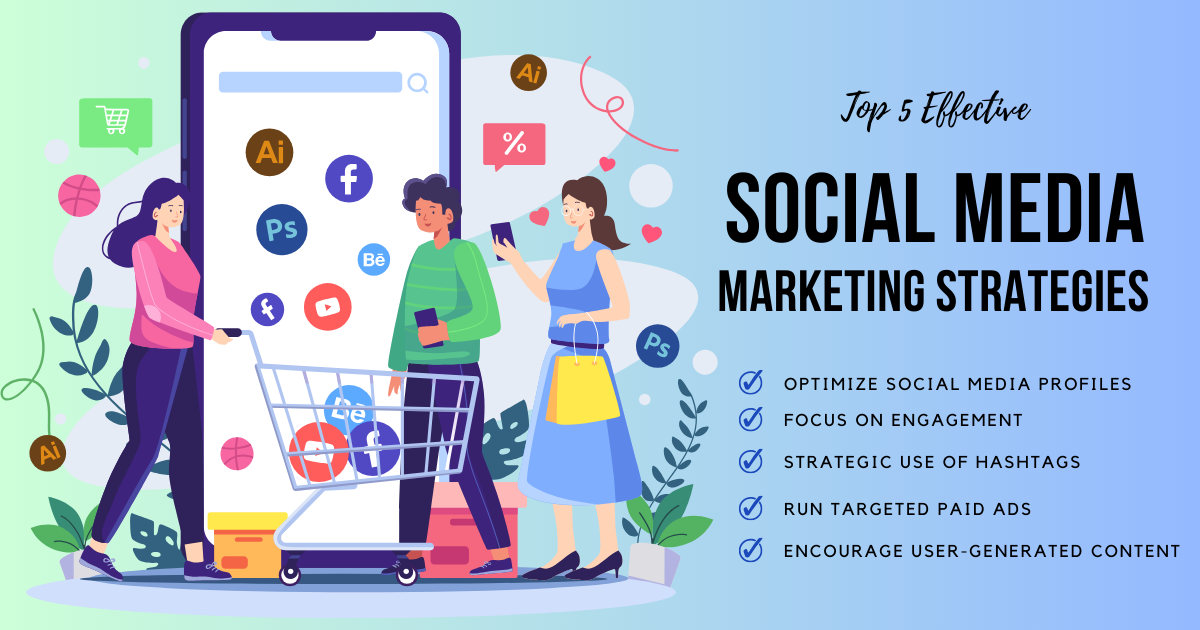
Credit: eliashaider.medium.com
Setting Goals
Setting clear social media goals boosts small business growth. Define targets to enhance engagement, drive traffic, and increase sales efficiently.
Defining Objectives
Set clear and achievable goals for social media. Specific objectives help measure success. Goals should be SMART: Specific, Measurable, Achievable, Relevant, and Time-bound. For example, aim to increase followers by 20% in three months. Another goal could be to boost website traffic by 15% through social media. Objectives keep your strategy focused and effective.
Measuring Success
Track key metrics to measure success. Engagement rate shows how people interact with your content. Conversion rate measures how many followers become customers. Reach tells you how many people see your posts. Use tools like Google Analytics and social media insights. Regularly review these metrics to adjust your strategy.
Audience Analysis
Small businesses need to know their target audience. Create a list of potential customers. Think about their age, gender, and interests. Use surveys and feedback to learn more. Check competitors’ followers for insights. Use social media analytics to see who engages with your posts.
Observe how your audience interacts with your content. Note the time of day they are most active. Look at the type of posts they like most. Do they prefer videos, images, or text? Track which social media platforms they use often. Adjust your strategy based on these behaviors.
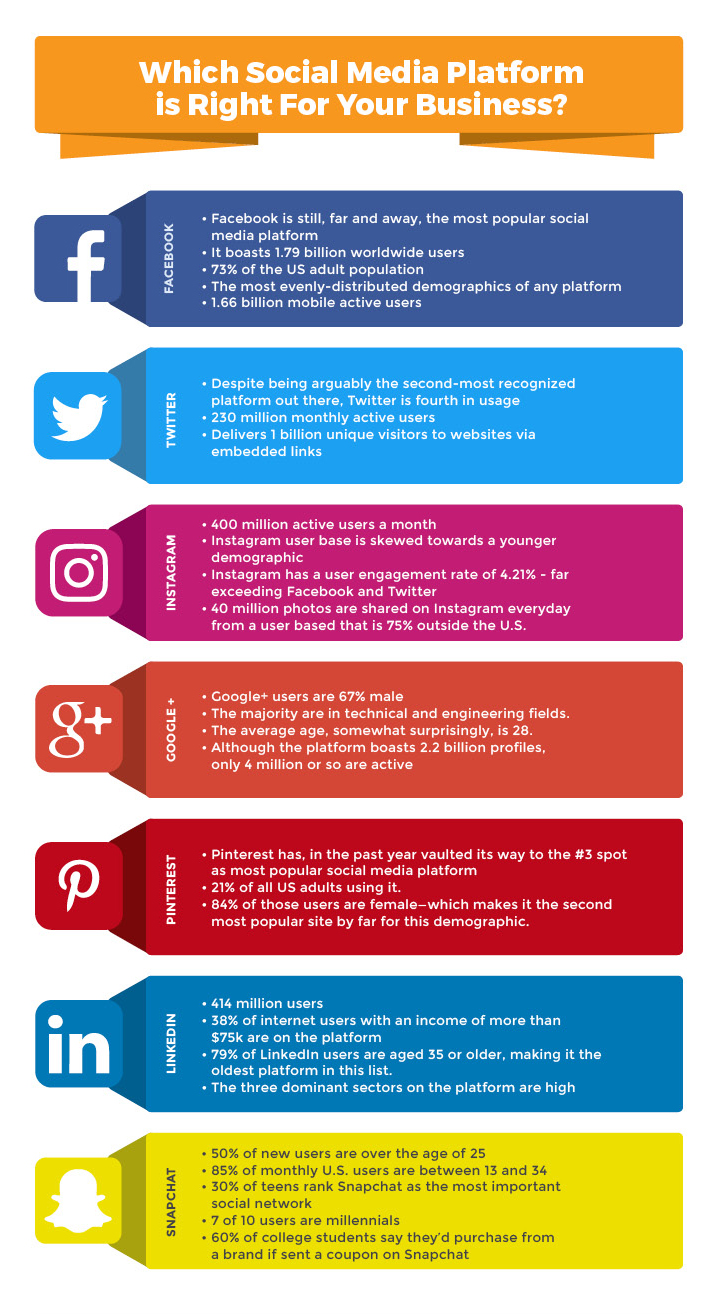
Credit: jumpermedia.co
Content Creation
Crafting engaging social media strategies elevates small businesses. Effective content creation boosts visibility and fosters customer engagement, driving growth and brand loyalty.
Types Of Content
Small businesses can create varied content. Images and videos attract a lot of attention. Blog posts can educate and inform followers. Infographics make data easy to understand. Polls and quizzes boost engagement. User-generated content is also effective. This includes reviews and testimonials. Behind-the-scenes content shows your business’s human side. Live streams can connect with your audience in real-time. Stories on platforms like Instagram and Facebook are engaging. Contests and giveaways can increase followers.
Content Calendar
A content calendar helps to plan posts. It keeps your content organized. Start by listing important dates. These can include holidays and special events. Plan posts around these dates. Use the calendar to schedule regular posts. This keeps your audience engaged. Mix different types of content. This keeps your feed interesting. Review and adjust the calendar as needed. Keep track of what’s working. This helps improve your strategy over time.
Engagement Tactics
Always reply to comments quickly. Show your audience you care. Use a friendly tone in your replies. Personalize your responses by using their names. This makes your followers feel valued. Address any questions or concerns they have. Keep your replies short and to the point. Avoid using complex words. Make sure your responses are helpful and informative.
Ask questions in your posts. This sparks conversations. Create polls and surveys. People love to share their opinions. Host contests and giveaways. Encourage users to share your content. User-generated content can boost your reach. Share user photos and stories. Make sure to thank them for their contributions. This builds a sense of community.
Advertising Strategies
Small businesses can use paid advertising to grow fast. Platforms like Facebook, Instagram, and Google Ads are popular. Ads on these platforms reach many people. Paid ads increase brand visibility and attract more customers.
Set a budget for your ads. Small businesses should start with a small budget. Track your ad performance. If ads work well, increase the budget slowly. Always spend wisely.
Analytics And Tools
Analytics and tools empower small businesses to craft effective social media strategies. These resources help track engagement, measure performance, and optimize content for better reach.
Tracking Performance
Tracking social media performance is crucial for success. Use analytics tools to see how well your posts do. Check for likes, shares, and comments. These show if people like your content. Google Analytics is a good tool. It tells you how much traffic comes from social media. Facebook Insights helps you see what works best on Facebook. Twitter Analytics shows which tweets get the most attention. Data from these tools helps you improve your posts. Better posts lead to more followers and more customers.
Utilizing Analytics Tools
Utilizing analytics tools can save time and effort. Many tools have dashboards that show data in easy charts. Look for patterns in your data. If a post does well, make more like it. Tools like Hootsuite and Buffer help schedule posts. They also provide analytics. Sprout Social offers detailed reports. These reports help plan future content. Using these tools helps you stay organized. Organization leads to better social media strategies.
Challenges And Solutions
Small businesses face many challenges on social media. They often have limited budgets and resources. Creating engaging content can be tough. Many struggle with building a loyal audience. Keeping up with trends is also hard. Measuring success is another big problem. Many do not know how to track results.
Plan your content ahead of time. Use a content calendar to stay organized. Engage with your audience regularly. Reply to comments and messages quickly. Use analytics tools to measure your success. Post at optimal times to reach more people. Collaborate with influencers to expand your reach. Invest in ads to boost visibility. Always keep an eye on trending topics.
Case Studies
Small businesses benefit from tailored social media strategies, boosting engagement and increasing brand visibility. Effective case studies demonstrate real-world successes and practical applications.
Successful Campaigns
One small bakery used Instagram to show daily special treats. They posted beautiful photos of cakes and cookies. Their followers increased by 200% in three months. Another local gym shared short workout videos on Facebook. They gained 150 new members in just two months.
A handmade jewelry shop used Pinterest to pin their designs. This led to a 50% increase in online sales. A small bookstore used Twitter for book recommendations. This helped them reach a wider audience and boost sales by 30%. Every campaign focused on engaging content and regular updates.
Lessons Learned
Consistency in posting is key. Engaging with followers builds a loyal community. Visual content, like photos and videos, attracts more attention. Each platform has its strengths. Instagram is great for visuals. Facebook is good for community building. Twitter helps in quick updates.
Small businesses should use multiple platforms. Tailor content to fit each one. Monitor performance and adjust strategies as needed. Social media can significantly boost brand visibility and sales. Always stay active and responsive to your audience.
Future Trends
New social media platforms are always emerging. These platforms can become popular very quickly. Small businesses should keep an eye on these trends. Early adoption can offer a competitive edge. TikTok and Clubhouse are recent examples of emerging platforms. Small businesses can benefit from exploring these platforms. It can help them reach new audiences. Being first can make a big difference.
Social media is always changing. Algorithms often update without notice. Small businesses need to adapt quickly. Following industry news can help them stay informed. It is important to be flexible. Changing strategies can be necessary. Understanding these changes can improve engagement. Adapting helps maintain a strong online presence. It can also improve customer loyalty.

Credit: www.linkedin.com
Frequently Asked Questions
What Is The Best Way To Use Social Media For Small Business?
Engage with your audience regularly. Share valuable content, use visuals, and respond to comments. Utilize hashtags and collaborate with influencers.
What Is The 5 5 5 Social Media Strategy?
The 5 5 5 social media strategy involves sharing five pieces of content, engaging with five people, and five comments daily. This approach boosts engagement and visibility.
What Are The Social Media Strategies For Business?
Develop a clear brand voice. Engage with your audience regularly. Use targeted ads. Monitor analytics. Post consistently with relevant content.
What Are The 10 Steps To A Successful Social Media Strategy?
1. Define clear goals. 2. Identify your target audience. 3. Choose the right platforms. 4. Create engaging content. 5. Schedule posts consistently. 6. Use analytics tools. 7. Engage with followers. 8. Monitor competitors. 9. Adjust strategies as needed. 10. Measure and report results.
Conclusion
Mastering social media can elevate your small business. Implement these strategies to boost engagement and drive sales. Stay consistent, authentic, and responsive. Monitor analytics to refine your approach. With dedication, your social media presence will grow, benefiting your business immensely.
Keep learning and adapting to remain ahead of the competition.
Leave a Reply